For many women, noticing increased hair shedding or thinning before age 40 can be alarming. While stress, genetics, nutritional deficiencies, and hairstyling practices are often blamed, another potential cause is frequently overlooked: early menopause. For Black women in particular, understanding this connection may be an important step toward addressing unexpected hair loss and protecting overall health.
Menopause typically occurs between the ages of 45 and 55, but some women experience it much earlier. Early menopause refers to menopause that occurs before age 45, while premature menopause happens before age 40. Research suggests that Black women may experience menopause-related symptoms earlier than some other groups, making awareness especially important.
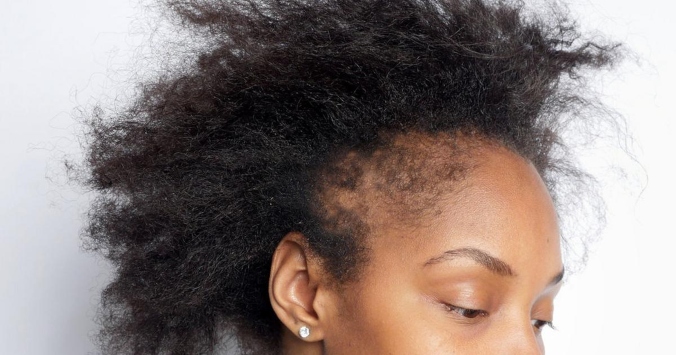
Hormonal changes play a significant role in hair growth. As estrogen levels decline during menopause, hair follicles can become smaller and produce thinner strands. At the same time, the balance between estrogen and androgens shifts, which may contribute to increased shedding and reduced hair density. Many women notice widening parts, thinning around the crown, or an overall decrease in hair volume.
Because hair loss is often associated with styling damage or aging, menopause-related thinning can go undetected. Black women may be particularly vulnerable to having symptoms overlooked, especially when hair changes are attributed solely to protective styles, chemical treatments, or traction from tight hairstyles. While these factors can contribute to hair loss, hormonal changes should not be ignored.
Hair thinning is rarely the only symptom of early menopause. Other signs may include irregular periods, hot flashes, night sweats, mood changes, sleep disturbances, vaginal dryness, and difficulty concentrating. When these symptoms occur alongside noticeable hair loss, a conversation with a healthcare provider may help identify the underlying cause.
Managing menopause-related hair thinning often requires a comprehensive approach. A healthcare professional can evaluate hormone levels and rule out other conditions such as thyroid disorders, anemia, or nutritional deficiencies. Maintaining a balanced diet rich in protein, iron, and essential vitamins can support healthy hair growth. Gentle hair care practices, stress management, and targeted treatments recommended by a dermatologist may also help preserve hair density.
Hair loss before 40 can feel frustrating and confusing, but it may be more than a cosmetic concern. For Black women experiencing unexplained thinning, understanding the possible connection to early menopause can lead to earlier diagnosis, more effective treatment options, and better long-term health outcomes.