Hair loss can be a frustrating experience, whether it’s thinning edges, a widening part, or an overall reduction in hair density. As more people search for non-invasive solutions to restore their hair, red light therapy has emerged as one of the most talked-about treatments. But can this glowing technology really make a difference when it comes to hair growth?
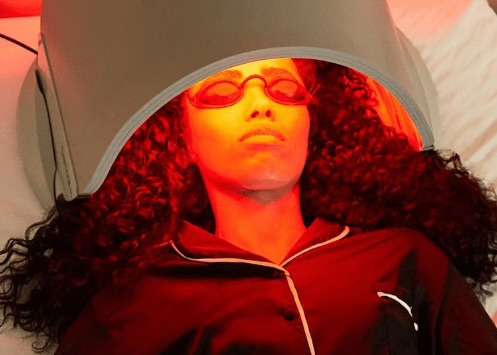
Also known as low-level laser therapy (LLLT), red light therapy uses specific wavelengths of red light to stimulate hair follicles. The treatment is designed to penetrate the scalp and encourage cellular activity within the follicles, potentially extending the hair growth phase and improving hair thickness over time.
Unlike topical treatments or medications, red light therapy doesn’t involve chemicals or surgery. It is typically delivered through helmets, caps, combs, or panels equipped with light-emitting diodes (LEDs) or low-level lasers. Most devices are intended for regular use several times a week, with sessions lasting anywhere from a few minutes to half an hour.
Research on red light therapy has shown promising results, particularly for individuals experiencing androgenetic alopecia, commonly known as pattern hair loss. Some studies suggest that consistent use may increase hair density and improve hair thickness by stimulating dormant or weakened follicles. However, experts caution that results can vary depending on the cause and severity of hair loss.
For Black women, hair loss often stems from multiple factors, including genetics, hormonal changes, traction from tight hairstyles, stress, or conditions such as central centrifugal cicatricial alopecia (CCCA). Because hair loss can have different underlying causes, red light therapy may work best as part of a broader treatment plan developed with a dermatologist or trichologist.
One advantage of red light therapy is its relatively low risk of side effects. Most users report little to no discomfort during treatment. However, patience is essential. Hair growth is a gradual process, and noticeable improvements often require several months of consistent use.
It’s also important to manage expectations. While red light therapy may support healthier hair growth and help improve hair density, it is not a guaranteed cure for every form of hair loss. Combining it with proper scalp care, balanced nutrition, stress management, and medical guidance can increase the likelihood of success.
For those looking to address thinning hair without invasive procedures, red light therapy may be a worthwhile option. While it isn’t a miracle solution, it has earned its place as a promising tool in the growing world of hair restoration treatments.