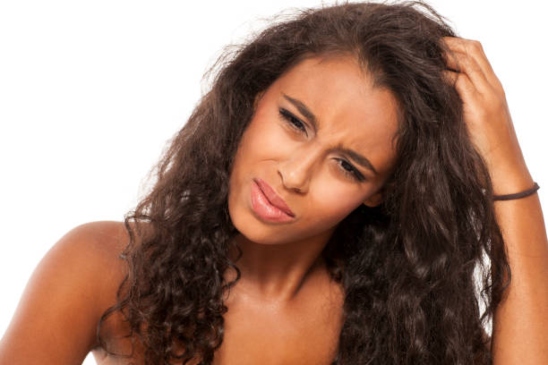
Have you ever taken down a ponytail, removed a wig, or loosened your braids only to discover that your scalp feels sore? You may describe the sensation as your hair hurting, but the discomfort usually comes from the scalp and the sensitive tissues surrounding your hair follicles. It can feel tender, tight, itchy, burning, or painful when you touch or move your hair.
Although hair itself does not contain nerves and cannot feel pain, scalp pain is real. Understanding what causes it can help you find relief and recognize when it is time to seek professional advice.
Why does your hair feel like it hurts?
Several factors can contribute to scalp tenderness, and some are connected to everyday styling habits.
Tight hairstyles: Braids, ponytails, cornrows, buns, and extensions that pull firmly at the roots can place tension on hair follicles and surrounding tissue. Repeated tension may cause soreness and, over time, contribute to traction alopecia, a form of hair loss associated with pulling.
Wigs and extensions: Heavy wigs, tight wig caps, adhesive products, and improperly fitted installations can irritate the scalp. If your hairline feels tender after wearing a style, it may be a sign that the installation is too tight or placing unnecessary pressure on your roots.
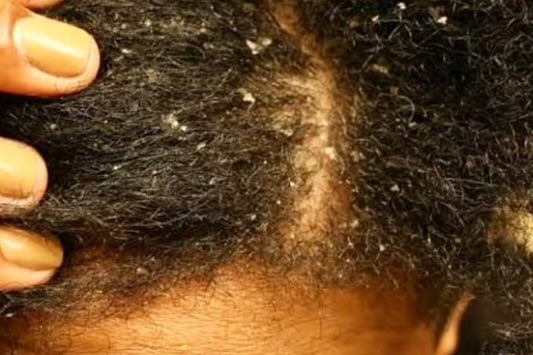
Scalp inflammation: Conditions such as seborrheic dermatitis, psoriasis, and folliculitis can cause itching, redness, bumps, and tenderness. Scratching an irritated scalp may make the discomfort worse.
Product irritation: Certain hair dyes, fragrances, gels, adhesives, and styling products can trigger allergic reactions or irritation, leaving the scalp sensitive.
Stress and headaches: Stress can contribute to muscle tension and headaches, which may sometimes make the scalp feel tender. This discomfort is not always caused by a hair-care problem.
How to soothe a tender scalp
Start by removing or loosening hairstyles that create tension. If your braids or ponytail hurt, do not wait for the discomfort to disappear on its own. Give your scalp a break from tight styles and heavy extensions.
Use a gentle shampoo to cleanse your scalp, particularly if product buildup or irritation is contributing to discomfort. Avoid aggressive scratching, vigorous brushing, and excessive heat while your scalp recovers.
If you suspect a product reaction, stop using the product and seek medical advice if symptoms persist or worsen. A cool compress may also provide temporary relief from mild irritation.
When should you see a dermatologist?
Scalp pain that keeps returning, lasts several days, or comes with swelling, sores, pus-filled bumps, significant itching, or hair loss deserves professional attention. Sudden or severe pain, especially with other concerning symptoms, should also be assessed promptly.
Your scalp should not hurt to maintain a hairstyle. Paying attention to discomfort, choosing low-tension styles, and addressing irritation early can help protect both your scalp and your hair.
Perfect blow dry #myhairportal #hairstyles #haircare #hair #howto #braids #shorts #africa #fyp