For many people with natural hair, heat styling offers a versatile way to achieve sleek looks, stretch curls, or experiment with different styles. However, frequent exposure to high temperatures can lead to dryness, breakage, split ends, and permanent damage to curl patterns. That is where heat protectants come in. While they cannot make hair completely immune to heat damage, they can significantly reduce the risks when used correctly.
Heat protectants work by creating a lightweight barrier around the hair shaft. This protective layer helps distribute heat more evenly and slows moisture loss during styling. Many formulas also contain ingredients that smooth the hair cuticle, reducing friction and helping hair appear shinier and healthier after styling.
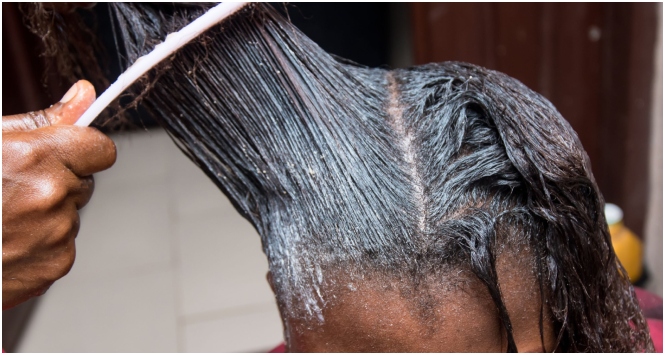
One of the most important steps in using a heat protectant is applying it evenly. Natural hair is often dense, making it easy to miss sections. To ensure full coverage, divide the hair into manageable sections before spraying or distributing the product. Using a wide-tooth comb or detangling brush can help spread the product from roots to ends.
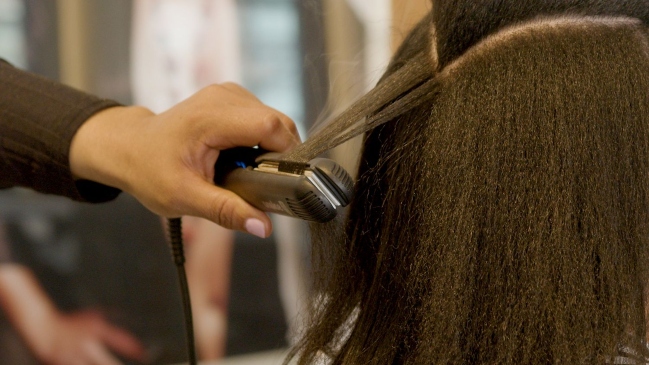
Another common mistake is applying too much heat after using a protectant. Although these products provide a degree of defense, they are not a license to use the highest temperature setting. Experts generally recommend using the lowest heat necessary to achieve the desired style. Fine or damaged hair often requires lower temperatures, while thicker textures may tolerate slightly higher settings.
The timing of application also matters. Most heat protectants should be applied to clean, damp hair before blow-drying or to dry hair before using hot tools such as flat irons and curling wands. Always follow the manufacturer’s instructions for the best results.
Choosing the right product is equally important. Lightweight sprays are often ideal for fine hair, while creams and serums may work better for thicker or coarser textures that need additional moisture. Ingredients such as silicones, hydrolyzed proteins, and nourishing oils are commonly found in heat-protective formulas because they help smooth and shield the hair.
Even with a quality heat protectant, moderation remains key. Limiting heat styling sessions, deep conditioning regularly, and maintaining a healthy hair-care routine can help preserve strength and elasticity.
Heat styling and healthy natural hair can coexist when the proper precautions are taken. By using a heat protectant correctly, choosing appropriate temperatures, and prioritizing hair health, you can enjoy sleek styles while minimizing damage and keeping your natural hair strong, vibrant, and resilient.