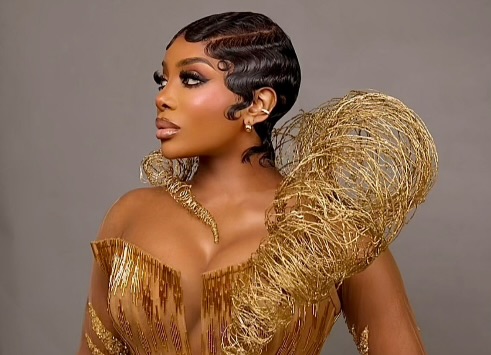
From dramatic pixie cuts to closely cropped buzz cuts, ultra-short hairstyles are having a moment, and not everyone is convinced. While some women are embracing the freedom, confidence and bold aesthetic that come with cutting their hair short, others remain attached to longer lengths and the styling possibilities they offer. The growing conversation around shorter hair has turned what was once a personal beauty choice into a polarizing trend, raising questions about femininity, self-expression and changing beauty standards.
Why are women embracing ultra-short hair?
One reason behind the renewed interest in shorter hairstyles is the desire for a fresh start. After years of maintaining extensions, wigs, braids and lengthy natural hairstyles, some women are choosing to cut their hair as a way of simplifying their routines and rediscovering their natural texture.
There is also a growing appreciation for low-maintenance styling. Although short hair still requires regular trims and proper care, it can reduce the time spent detangling, installing extensions and managing elaborate hairstyles.
Why is the trend so controversial?
Despite its appeal, short hair continues to challenge traditional ideas about beauty and femininity. For generations, long hair has been associated with conventional standards of feminine attractiveness, particularly within Black beauty culture, where braids, weaves, wigs and other lengthy styles have remained popular.
Consequently, a woman choosing to shave her head or cut her hair into an ultra-short style can attract strong reactions. Some celebrate the confidence behind the decision, while others question whether the look is flattering or feminine enough.
However, these opinions often reveal more about society’s expectations than the hairstyle itself. Hair length does not determine femininity, attractiveness or personal identity.
Is shorter hair easier to maintain?
Short hair may eliminate some styling challenges, but it is not entirely maintenance-free. Cropped styles require regular trimming to maintain their shape, while natural textures still need moisture, gentle cleansing and conditioning.
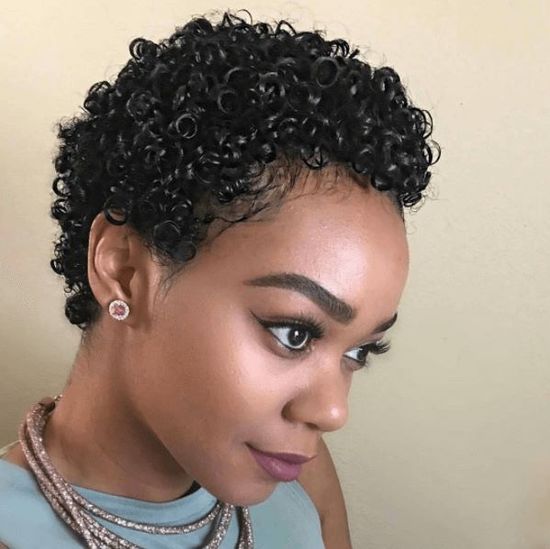
Women with tightly coiled hair should also consider their preferred styling routine before making a dramatic cut. A tapered cut, for example, can preserve some length on top while keeping the sides and back shorter.
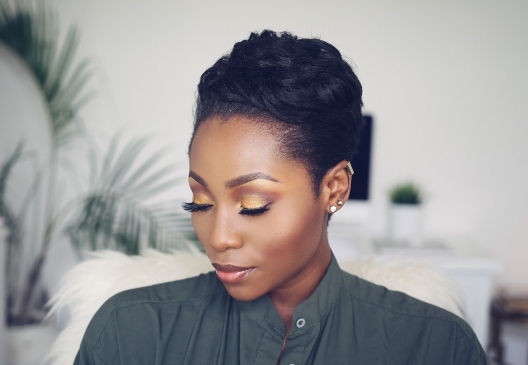
Should you join the short-hair movement?
Before reaching for the scissors, consider your lifestyle, styling preferences and willingness to maintain your chosen cut. Save reference pictures, consult an experienced hairstylist and discuss which shape complements your features and natural texture.
Ultimately, the short-hair debate is a reminder that beauty trends should inspire rather than dictate personal choices. Whether you prefer waist-length braids or a closely cropped cut, the best hairstyle is one that makes you feel confident and comfortable.
Beautiful hair and makeup #braids #africa #howto #hairstyles #myhairportal #haircare #shorts