If your hair often feels weighed down, flat, or greasy shortly after wash day, a simple switch in your routine may help. Reverse hair washing, a technique that involves applying conditioner before shampoo instead of after, has been gaining attention among beauty enthusiasts and hair-care experts alike. While it may sound unconventional, many people swear by it for achieving softer, bouncier, and more voluminous hair.
Traditional hair washing typically begins with shampoo to cleanse the scalp and strands, followed by conditioner to replenish moisture. Reverse hair washing flips that order. The conditioner is applied first, allowing the hair to absorb hydration and protective ingredients before shampoo is used to remove excess residue and buildup.
One of the biggest reasons for the technique’s growing popularity is its ability to create lightweight softness. Some conditioners, especially rich formulas, can leave behind a coating that makes hair feel heavy. By shampooing after conditioning, excess product is washed away while many of the conditioning benefits remain. The result is hair that feels smooth without appearing limp.
People with fine or thin hair often find reverse washing particularly helpful. Fine hair can become easily weighed down by traditional conditioning methods, making it difficult to maintain volume. Reverse washing can help preserve body and movement while still delivering moisture where it is needed.
The technique may also benefit those with oily scalps. Since shampoo is used as the final step, it removes leftover conditioner from the roots, helping hair stay fresher for longer. Many users report that their hair feels cleaner and lighter compared to a conventional wash routine.
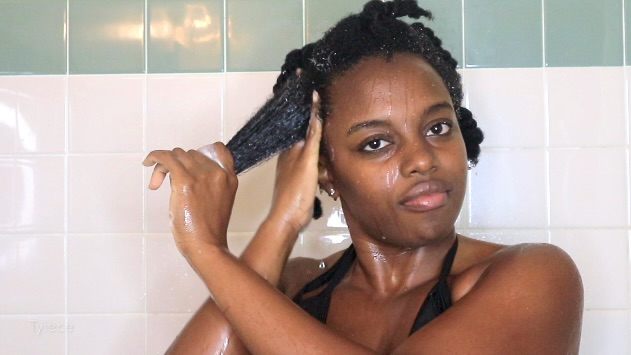
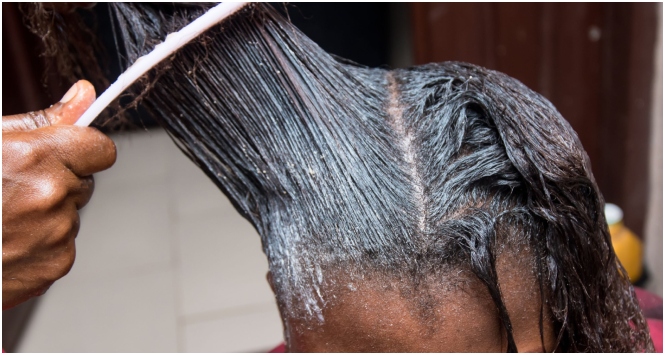
To try reverse hair washing, start by thoroughly wetting your hair. Apply conditioner from the mid-lengths to the ends, avoiding the scalp. Leave it on for a few minutes to allow the ingredients to penetrate the hair shaft. Next, rinse lightly and follow with shampoo, focusing primarily on the scalp and roots. Rinse thoroughly and style as usual.
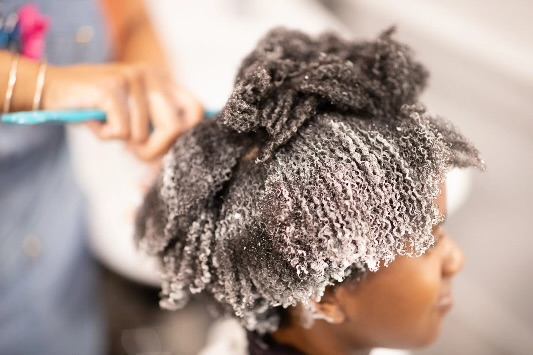
While reverse washing works well for many hair types, it may not be ideal for extremely dry, damaged, or tightly coiled hair that requires maximum moisture retention. In these cases, traditional conditioning methods may provide better hydration.
As with most beauty trends, results can vary depending on hair texture and individual needs. However, the growing popularity of reverse hair washing highlights a simple truth: sometimes achieving soft, voluminous hair is less about adding more products and more about changing the order in which you use them.