Many women focus on shampoos, oils, and supplements when trying to improve their hair health, but one important factor often goes unnoticed: ferritin. If you have been experiencing increased shedding, thinning edges, or hair that seems slower to grow than usual, low ferritin levels could be part of the picture.
Ferritin is a protein that stores iron in the body and releases it when needed. Think of it as your body’s iron reserve. While iron is widely recognized for its role in producing healthy red blood cells, it is also essential for many biological processes that support hair growth. Hair follicles are among the most active cells in the body, and they require a steady supply of nutrients and oxygen to function properly.
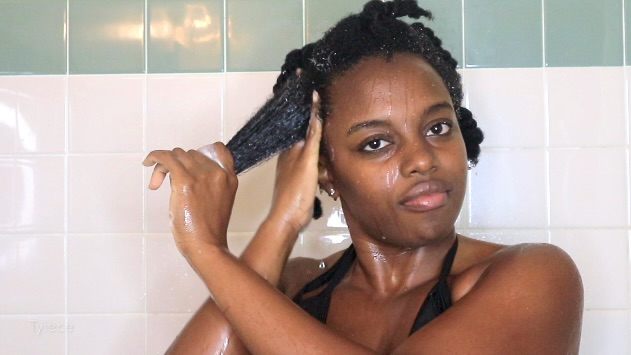
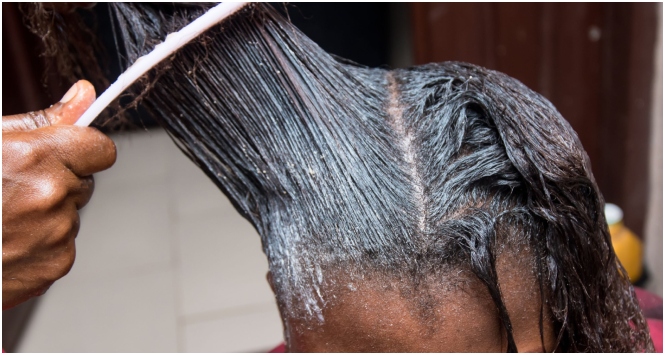
When ferritin levels are low, the body may prioritize vital organs and functions over hair growth. As a result, hair follicles can receive fewer resources, potentially leading to increased shedding, thinning, or a reduction in overall hair density. Some women may notice more hair in the shower drain, on their pillow, or in their hairbrush long before other symptoms of iron deficiency appear.
Low ferritin is especially common among women due to factors such as menstruation, pregnancy, postpartum recovery, restrictive diets, and certain medical conditions that affect nutrient absorption. Even when iron levels fall within the normal range, ferritin stores may still be low enough to influence hair health.
One type of hair loss frequently associated with low ferritin is telogen effluvium, a condition that causes excessive shedding after physical stress, illness, nutritional deficiencies, or hormonal changes. While low ferritin is not always the sole cause of hair loss, it can be an important contributing factor that deserves attention.
Because hair loss has many potential causes, it is important not to self-diagnose. A healthcare professional can order blood tests to evaluate ferritin levels along with other markers related to iron status and overall health. If low ferritin is identified, treatment may involve dietary changes, iron supplementation, or addressing an underlying condition that is preventing proper iron absorption.
Foods rich in iron include lean meats, fish, beans, lentils, spinach, and fortified cereals. Pairing these foods with vitamin C-rich fruits and vegetables can help improve iron absorption.
Healthy hair growth begins from within. While no single nutrient guarantees thick, beautiful hair, maintaining adequate ferritin levels may play a significant role in supporting stronger strands and reducing unnecessary shedding. For women concerned about hair loss, checking ferritin levels could be a valuable step toward understanding the root cause.