If you’ve noticed more strands in your brush, shower drain, or on your pillow during the summer months, you’re not alone. While hair loss can occur at any time of year, experts say it’s not uncommon for people to experience an increase in shedding during the warmer seasons. In many cases, this temporary change is linked to the body’s natural hair-growth cycle and seasonal environmental factors rather than a serious underlying issue.
Hair grows in cycles that include growth, transition, resting, and shedding phases. Researchers have found that a larger number of hairs may enter the shedding phase during late summer and early fall. As a result, many people notice increased hair fall during this period, even if their overall hair health remains unchanged.
One theory suggests that this seasonal shedding pattern is a biological response designed to help regulate body temperature. During the warmer months, the body may retain more hair in the growth phase to provide protection from sun exposure. Once the season changes, those hairs naturally begin to shed, creating the appearance of sudden hair loss.
Summer weather can also place additional stress on the hair and scalp. Prolonged exposure to ultraviolet (UV) rays may weaken hair fibers, making strands more prone to breakage. Although breakage is different from hair shedding, both can contribute to the feeling that your hair is becoming thinner.
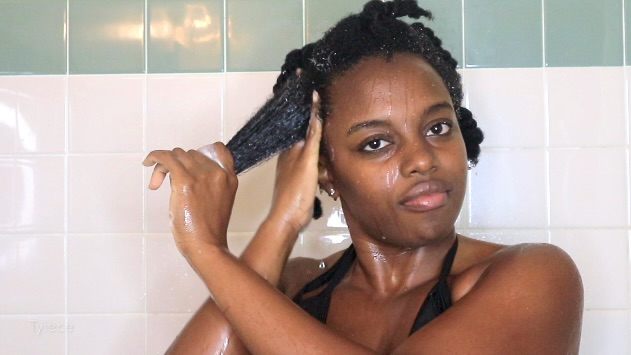
Sweat, humidity, chlorine, and salt water can also affect scalp health. Excessive sweat buildup may irritate the scalp, while frequent swimming can leave hair dry and brittle if it is not properly moisturized afterward. For people with natural or textured hair, these seasonal conditions may make hair seem more fragile and difficult to manage.
Stress associated with travel, disrupted routines, dietary changes, and dehydration can further contribute to temporary hair shedding. Hair follicles are sensitive to overall wellness, and even minor lifestyle changes can influence the growth cycle.
The good news is that seasonal shedding is usually temporary. Maintaining a healthy scalp, staying hydrated, eating a balanced diet, and protecting hair from excessive sun exposure can help minimize damage and support healthy growth.
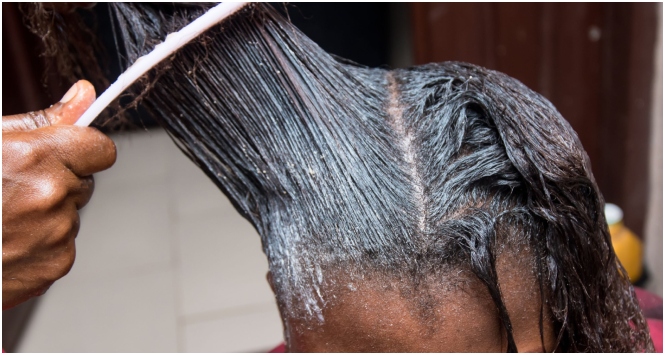
However, if shedding becomes excessive, results in noticeable bald patches, or continues for several months, it may be worth consulting a dermatologist or trichologist. While seasonal hair loss is common, persistent thinning could indicate another condition that requires professional evaluation and treatment.