Hair loss and thinning have become increasingly common topics in beauty and wellness conversations, particularly among Black women. Whether caused by genetics, stress, hormonal changes, medical conditions, or years of tension from certain hairstyles, hair thinning can have a significant impact on confidence and self-image. As awareness grows, more Black women are turning to minoxidil, a well-known hair-growth treatment, in hopes of restoring fuller, healthier-looking hair.
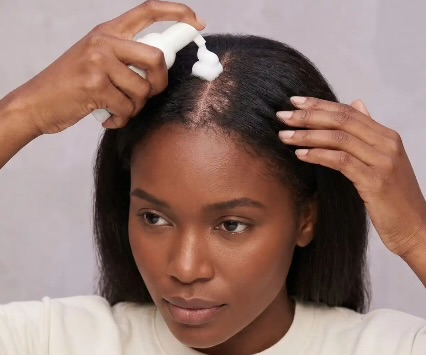
Minoxidil is an over-the-counter topical treatment that has been used for decades to address certain types of hair loss. Applied directly to the scalp, it works by helping to stimulate hair follicles and prolong the growth phase of the hair cycle. While results vary from person to person, many users report seeing improvements in hair density and regrowth after several months of consistent use.
One reason minoxidil is gaining popularity among Black women is the increasing awareness of traction alopecia. This form of hair loss is caused by repeated tension on the hair follicles from tight hairstyles such as braids, weaves, ponytails, and extensions. The condition often affects the hairline and temples, areas where many women first notice thinning. When detected early, treatments such as minoxidil may help support regrowth in affected areas.
Another factor driving interest is the growing openness around discussing hair loss. Social media platforms have become spaces where women share their experiences, progress photos, and treatment journeys. These conversations have helped reduce stigma and encouraged more people to seek solutions rather than suffer in silence.
Minoxidil’s accessibility also contributes to its appeal. Unlike some professional treatments that require clinic visits or significant financial investment, the medication is widely available and relatively easy to incorporate into a daily routine. This makes it an attractive option for those looking to address thinning without undergoing more intensive procedures.
However, experts emphasize that minoxidil is not a one-size-fits-all solution. Hair loss can have many underlying causes, including hormonal imbalances, nutritional deficiencies, autoimmune conditions, and scalp disorders. Understanding the root cause is essential for choosing the most effective treatment plan.
As more Black women prioritize scalp health and long-term hair wellness, minoxidil has emerged as a valuable tool in the conversation around hair restoration. While patience and consistency are often required to see results, its growing popularity reflects a broader shift toward proactive hair care. For many women, the goal is not just longer hair, but healthier, stronger strands and renewed confidence in their hair journey.