For years, sleek ponytails, ultra-tight braids, and snatched updos have dominated beauty trends. While these styles can look stunning, they often come at a cost. According to celebrity natural hair stylist Felicia Leatherwood, one of the best things you can do for your hair health is embrace low-tension styling.
Known for working with stars such as Issa Rae and helping countless women care for their natural textures, Leatherwood has long advocated for styles that prioritize the health of the hair and scalp. As awareness around traction-related hair damage grows, low-tension hairstyles are becoming increasingly popular among those looking to maintain strong, thriving strands.
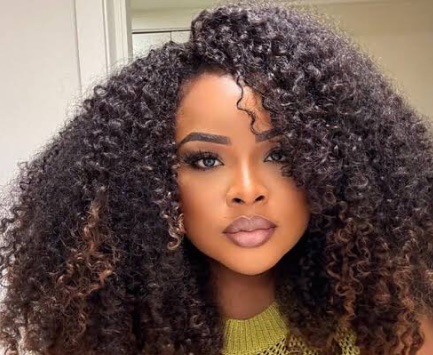
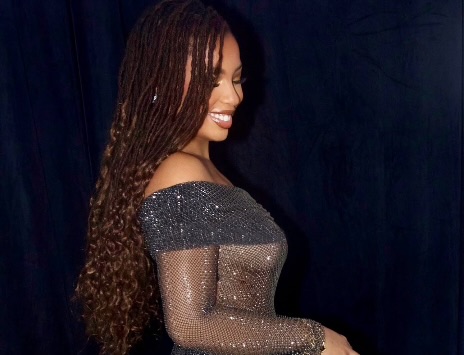
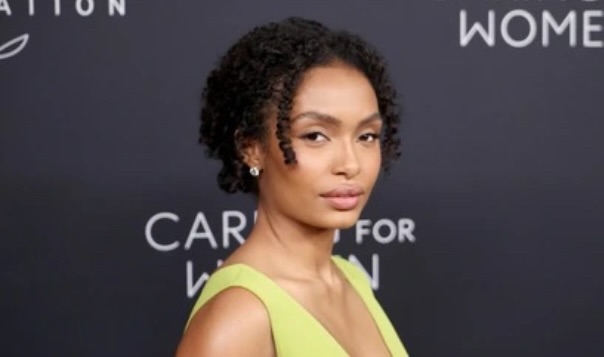
Low-tension styling refers to hairstyles that do not pull excessively on the hair follicles, scalp, or hairline. Instead of creating strain, these styles allow the hair to rest naturally while still looking polished and intentional. Examples include loose twists, soft braids, puff styles, wash-and-gos, low buns, and gently installed protective styles.
One of the biggest benefits of low-tension styling is its ability to help prevent traction alopecia, a form of hair loss caused by repeated pulling on the hair roots. Tight hairstyles can gradually weaken follicles, particularly around the edges and temples, leading to thinning that may become difficult to reverse if left untreated.
Beyond protecting the hairline, low-tension styles can also support length retention. Hair that experiences less stress is less likely to break, split, or shed unnecessarily. This means that while your hair may not necessarily grow faster, you’re more likely to keep the length you gain over time.
Leatherwood often emphasizes that healthy hair starts with listening to what your hair needs rather than chasing every trend. If a style causes discomfort, headaches, or visible pulling around the scalp, it may be too tight. A good protective style should feel secure without causing pain.
Another advantage of low-tension styling is scalp health. When hair isn’t tightly stretched or manipulated, the scalp can breathe more easily, making it simpler to cleanse, moisturize, and maintain a healthy environment for growth.
As more people prioritize hair wellness over temporary aesthetics, low-tension styles are proving that beauty and hair health can coexist. Felicia Leatherwood’s message is simple but powerful: protecting your strands today can help preserve your length tomorrow. By choosing styles that respect your hair’s natural strength and limits, you can create a foundation for healthier, fuller-looking hair in the long run.