Tea is more than a comforting drink. From green tea to black tea, different varieties have found their way into hair-care routines, with claims that they can support scalp health, reduce shedding, and leave strands looking fuller. But can rinsing your hair with tea really make a difference, especially for Black women managing natural hair, protective styles, or chemically treated strands?
The answer depends on the type of tea, how you use it, and what you expect it to do.
How tea may benefit your hair
Green tea contains polyphenols, including epigallocatechin gallate (EGCG), an antioxidant that has attracted research interest for its potential role in supporting hair follicles. However, much of the evidence comes from laboratory or early-stage research, so it is too soon to conclude that green tea rinses can prevent hair loss or stimulate noticeable growth in humans.
Black tea contains caffeine and tannins, which contribute to its astringent properties. Although caffeine has been studied for its potential effects on hair follicles, drinking or applying brewed tea has not been proven to deliver the same results as treatments developed specifically for hair loss.
What about scalp health?
A healthy scalp creates a better environment for hair maintenance, and that is where a gentle tea rinse may appeal to some people. However, tea is not a proven treatment for dandruff, scalp eczema, or other inflammatory conditions.
If you experience persistent itching, flaking, redness, or tenderness, consult a dermatologist rather than relying on homemade remedies. Some plant compounds can irritate sensitive skin, and a tea rinse may worsen existing scalp discomfort.
For Black women who wear braids, wigs, or other protective styles, keeping the scalp clean and avoiding excessive tension remain more reliable ways to support healthy hair.
How to try a tea rinse safely
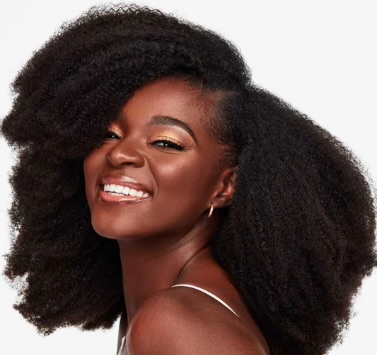
If you want to experiment with tea in your routine, keep things simple.
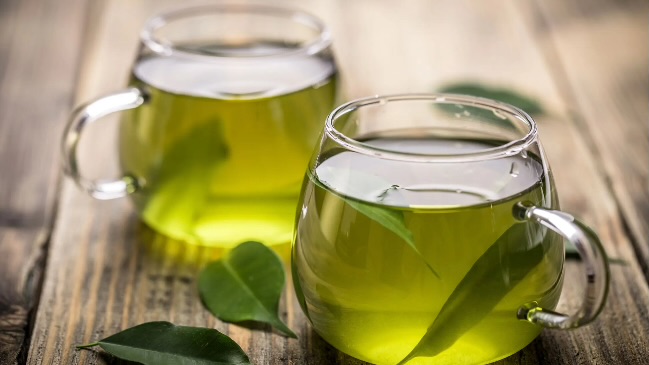
- Choose plain tea: Brew unsweetened green or black tea without milk, sugar, or added fragrances.
- Let it cool completely: Never apply hot tea to your scalp.
- Patch-test first: Apply a small amount to your skin and watch for irritation before using it more widely.
- Use it sparingly: After shampooing, you can apply the cooled tea to your hair and scalp, then rinse it out if your hair feels dry or your scalp becomes uncomfortable.
- Follow with conditioner: Natural hair can be prone to dryness, so use a moisturizing conditioner to maintain softness and manageability.
Conclusion
Tea can be an inexpensive experiment for people interested in natural hair-care ingredients, but the evidence supporting its benefits remains limited. It cannot replace a balanced diet, gentle styling practices, or appropriate treatment for persistent hair loss.
For stronger strands and a healthier scalp, focus on consistent cleansing, conditioning, low-tension hairstyles, and addressing problems early. Tea may complement those habits, but healthy hair depends on the bigger picture.
Hair growth solutions #myhairportal #braids #hairstyle #howto #hair #shorts #africa #salon #hair