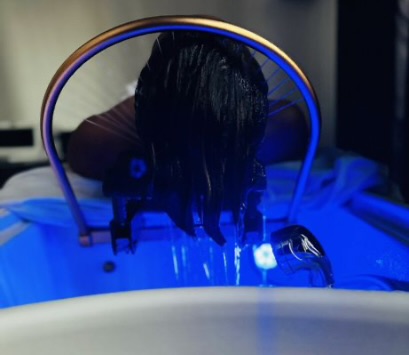
As conversations about scalp health continue to influence modern beauty routines, blue light therapy is emerging as an interesting treatment in the broader world of skin care and hair care. Best known for its use in treating acne, blue light therapy uses specific wavelengths of visible light to target certain bacteria and influence skin processes. Its potential applications for the scalp are attracting attention, although evidence supporting its effectiveness for hair growth remains limited.
What Is Blue Light Therapy?
Blue light therapy is a non-invasive treatment that uses blue wavelengths of visible light, commonly around 405 to 420 nanometers, to address particular skin concerns. Unlike ultraviolet light, blue light does not use UV radiation, although exposure intensity and duration still matter.
Potential benefits for scalp skin
One possible application is managing scalp breakouts. People who experience pimples around the hairline or on the scalp may benefit from treatments designed to target acne-related bacteria. However, scalp bumps can have several causes, including folliculitis, irritation and product buildup, so blue light therapy is not a universal solution.
Blue light may also influence inflammatory processes in the skin, but its benefits depend on the condition being treated and the device used. More research is needed to establish whether it can reliably improve common scalp concerns, particularly those associated with chronic inflammation.
Importantly, blue light therapy should not be confused with red light therapy, which has been studied more extensively for certain hair-loss applications. Neither treatment should be assumed to work for every type of hair thinning or scalp condition.
Can it encourage hair growth?
Although healthier scalp skin creates a better environment for maintaining hair, there is currently insufficient clinical evidence to conclude that blue light therapy directly stimulates hair growth or reverses hair loss. People experiencing shedding, thinning or bald patches should seek professional assessment to identify the underlying cause before investing in light-based treatments.
What to consider before trying it
Anyone considering blue light therapy should choose an appropriate device and follow its manufacturer’s instructions. Avoid excessive exposure, protect the eyes as directed and consult a dermatologist if you have a skin condition, take light-sensitising medication or experience persistent scalp irritation.
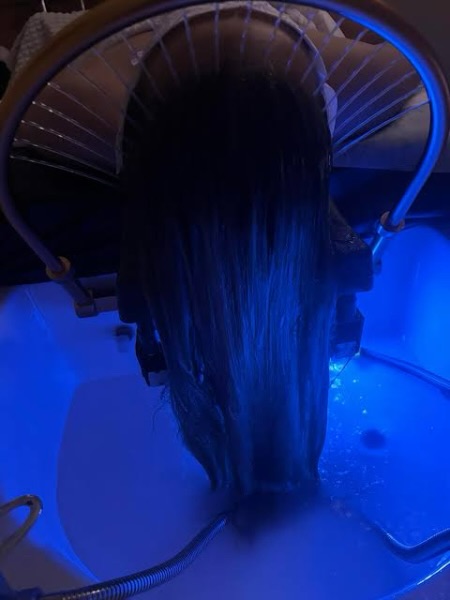
A balanced scalp-care routine remains essential. Gentle cleansing, thorough rinsing, avoiding irritating products and addressing dandruff or inflammation with appropriate treatments can help maintain scalp comfort.
Ultimately, blue light therapy is a promising area of dermatological research, but it is not a proven hair-growth solution. Understanding its limitations and seeking evidence-based advice can help you make informed decisions about your scalp health.
Satisfying hair washing #myhairportal #braids #hairstyles #haircare #howto #africa #shorts #salon