Peptides have become one of the most talked-about ingredients in beauty and wellness, showing up in everything from skincare serums to hair-growth treatments. With more people searching for solutions to thinning hair and shedding, many are wondering whether peptides can actually reverse hair loss. The answer is promising, but not quite as simple as a miracle cure.
Peptides are short chains of amino acids, which are the building blocks of proteins like keratin and collagen. In hair care, certain peptides are believed to support healthier follicles by encouraging cell communication, improving scalp health, and helping create an environment that supports hair growth.
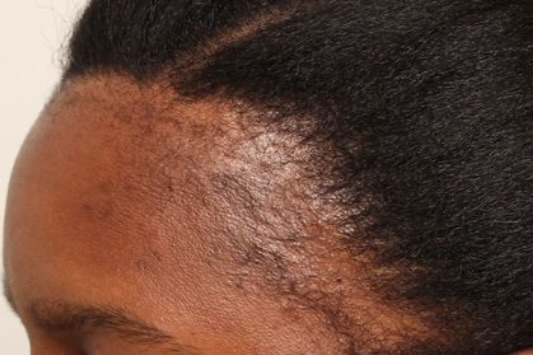
For Black women, hair loss can stem from a variety of causes, including traction from tight hairstyles, hormonal changes, stress, genetics, nutritional deficiencies, and conditions such as central centrifugal cicatricial alopecia (CCCA). Because hair loss is not a one-size-fits-all issue, peptides may be helpful in some situations but less effective in others.
One reason peptides have gained attention is their potential to stimulate hair follicles and improve the growth cycle of the hair. Some peptide-based products are designed to increase blood flow to the scalp and support the production of proteins that strengthen strands. As a result, users may notice hair that appears thicker, stronger, and less prone to breakage over time.
However, it is important to understand that peptides do not necessarily “reverse” hair loss on their own. Their effectiveness depends largely on the underlying cause of the hair loss. If follicles are still active, peptide treatments may help improve growth and density. But if scarring or permanent follicle damage has occurred, peptides are unlikely to restore lost hair completely.
Another benefit of peptides is that they are generally gentle and can be incorporated into existing hair-care routines. Many scalp serums, leave-in treatments, and growth-focused products now include peptides alongside ingredients like caffeine, niacinamide, and botanical extracts.
For Black women interested in trying peptide-based hair treatments, consistency is key. Results often take several months to appear, and peptide products tend to work best when combined with healthy hair practices, proper scalp care, and professional guidance when needed.
While peptides are not a guaranteed cure for hair loss, they represent an exciting development in hair science. For those experiencing early thinning or shedding, they may offer a valuable tool for supporting healthier, fuller-looking hair and maintaining long-term scalp wellness.