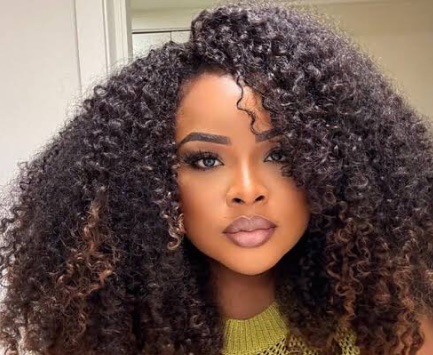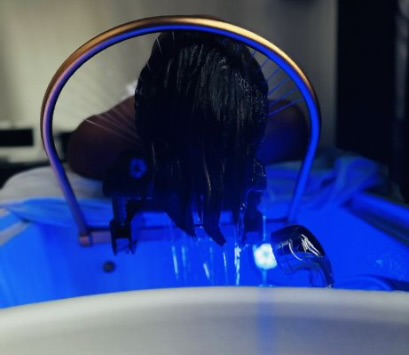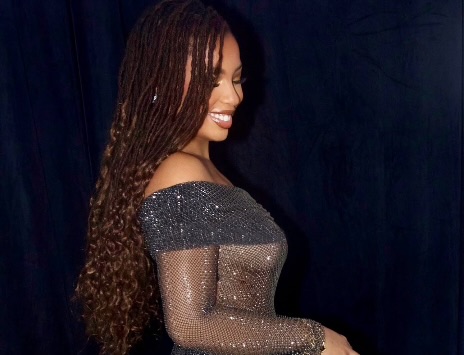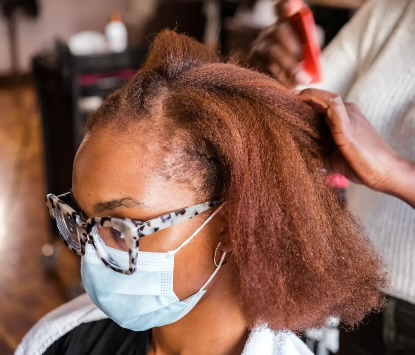
Bleached and balayaged hair can look stunning, adding dimension, brightness, and personality to your style. However, the lightening process can also leave hair more vulnerable to dryness, tangles, and breakage. For Black women and anyone with textured hair, proper detangling becomes even more important after color treatments. The good news? With the right approach, you can keep your hair smooth and healthy without sacrificing your color.
The first rule of detangling bleached hair is to never rush the process. Hair that has been lightened is often more porous, meaning it absorbs and loses moisture more easily. This can make strands more fragile and prone to snapping when handled roughly.
Start by adding moisture before attempting to remove knots. A hydrating conditioner, detangling spray, or leave-in treatment can provide the slip needed to help strands glide past one another. Trying to detangle dry, color-treated hair often creates unnecessary tension and increases the risk of breakage.
Working in sections is another game-changer. Divide your hair into manageable parts and secure each section with clips. This prevents tangles from spreading and allows you to focus on one area at a time. Smaller sections are especially helpful for curly, coily, or highly textured hair.
When it’s time to detangle, begin at the ends and gradually work your way toward the roots. Starting at the scalp and pulling downward can tighten knots and cause hair to break. Using your fingers first can help gently separate larger tangles before introducing a wide-tooth comb or detangling brush.
Patience is key. If you encounter a stubborn knot, apply additional conditioner and carefully work through it instead of forcing the comb through. The goal is to preserve the integrity of the hair shaft.
Deep conditioning treatments can also make detangling easier over time. Weekly moisture masks help replenish hydration lost during the bleaching process, improving elasticity and reducing the likelihood of future tangles.
To maintain healthy color-treated hair, consider protective styles, satin bonnets, and silk pillowcases. These simple habits minimize friction, helping hair stay smoother between wash days.
Ultimately, bleached hair requires extra care, but it doesn’t have to mean constant breakage. By prioritizing moisture, using gentle techniques, and taking your time, you can keep your color-treated strands looking vibrant, soft, and healthy. A little patience during detangling can go a long way toward preserving both your hair color and your hair’s overall strength.