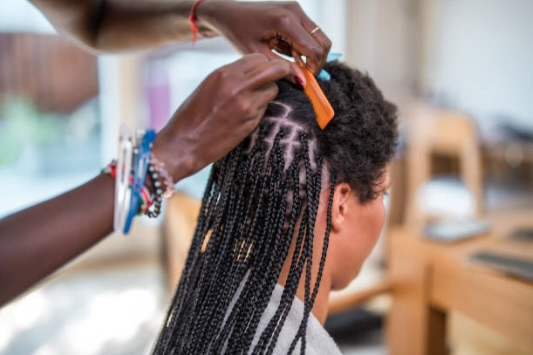
Protective braids remain one of the most popular hairstyles among Black women, offering versatility, convenience, and a break from daily hair manipulation. However, many people use the terms “hair attachments” and “hair extensions” interchangeably, even though they are not exactly the same. Understanding the difference can help you make better choices for your hair health and styling goals.
Hair attachments typically refer to the synthetic or blended hair added to natural hair during braiding styles such as box braids, knotless braids, twists, and cornrows. These products are specifically manufactured for braiding and are usually lightweight, affordable, and available in a wide range of colors and textures. Popular braiding hair brands often create attachments that mimic natural hair while maintaining durability throughout the life of the style.
Hair extensions, on the other hand, are a broader category of added hair used to increase length, volume, or fullness. Extensions can be made from synthetic fibers or human hair and are commonly installed through methods such as sew-ins, tape-ins, clip-ins, micro-links, or fusion techniques. While extensions can be used to create braided looks, they are generally designed for a wider variety of hairstyles beyond braids.
For Black women seeking protective braids, hair attachments are usually the preferred option. Braiding hair is designed to hold braid patterns securely, maintain neatness, and reduce the weight placed on the scalp. Many modern attachments are also pre-stretched, making installations faster and creating a more natural finish.
That said, not all attachments are created equal. Some lower-quality synthetic fibers may cause itching, scalp irritation, or excessive tangling. To minimize discomfort, many hairstylists recommend rinsing synthetic braiding hair in apple cider vinegar before installation to remove alkaline coatings that can trigger irritation.
Human hair extensions may be a worthwhile investment for those seeking a more natural appearance, greater styling flexibility, or lightweight knotless braids. However, they typically come with a significantly higher price tag and require more maintenance.
Ultimately, the best choice depends on your budget, desired look, and lifestyle. For most protective braid styles, high-quality braiding attachments remain the go-to option because they are cost-effective, versatile, and specifically designed to support long-lasting braided hairstyles while helping protect natural hair.