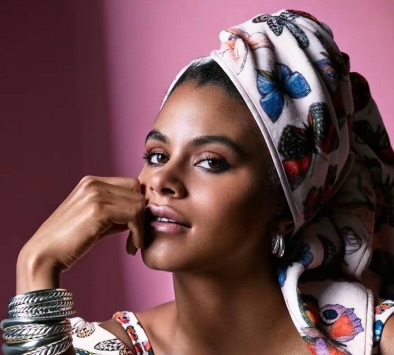
Hair can communicate emotions, cultural identity, family history, and personal transformation without a character saying a single word. In film and television, a hairstyle can reveal where someone comes from, what they are experiencing, and how they see themselves. That storytelling potential takes on added meaning in Apple TV’s Nocturne, where actress Zazie Beetz explores the relationship between hair, identity, and generational trauma.
Through her collaboration with the production’s hair artist, Beetz examines how beauty choices can contribute to a character’s emotional journey. Rather than treating hair as a finishing touch, the creative process recognizes it as another language through which a story can unfold.
When hair becomes part of the character
For Black women, hair often carries meaning that extends beyond appearance. It can reflect family traditions, cultural belonging, self-expression, and experiences shaped by expectations around beauty. Choices involving natural texture, protective styling, length, and presentation can become deeply personal.
In Nocturne, the attention given to hair creates an opportunity to explore these ideas visually. The collaboration between Beetz and the show’s hair artist highlights how intentional styling can help build a character’s world and communicate details that dialogue alone may not fully capture.
Exploring generational trauma through beauty
Generational trauma involves emotional experiences and patterns that can influence how families and communities understand themselves across different generations. These experiences may shape relationships, beliefs, expectations, and even the ways people express their identities.
Hair can become part of that conversation, particularly within Black families, where beauty rituals and styling traditions are often passed down through mothers, grandmothers, and other relatives. The same practices can represent love, belonging, cultural pride, or complicated expectations about how hair should look.
Exploring these connections through a character’s appearance allows viewers to consider how personal identity is influenced by family history. It also creates room for conversations about the beauty standards Black women navigate and the freedom to define beauty on their own terms.
The artistry behind the look
Creating meaningful screen hairstyles requires more than choosing an attractive finish. Hair artists consider a character’s background, personality, emotional development, and the atmosphere of individual scenes. Small styling decisions can help establish continuity while supporting the larger narrative.
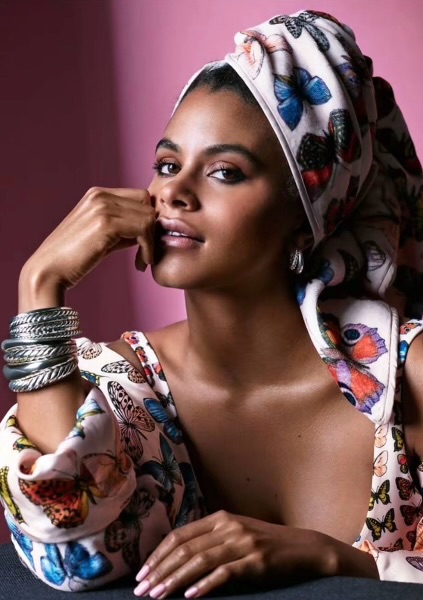
For Beetz, the conversation around Nocturne offers a reminder that hair can be both an artistic and cultural expression. It is not simply about how a character looks, but what that appearance communicates.
Ultimately, Nocturne invites audiences to look beyond the surface and consider the stories carried through hair, identity, and the experiences connecting generations.