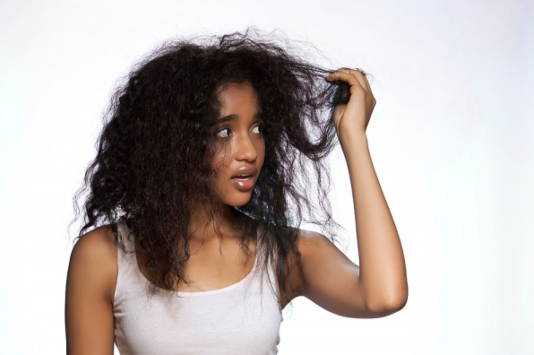
Everyone experiences the occasional bad hair day. Maybe your curls feel limp, your edges refuse to cooperate, or your strands suddenly seem flatter than usual. But sometimes, what appears to be temporary frustration may actually be an early sign of thinning hair.
Knowing the difference can help you address potential issues before they become more noticeable.
One of the clearest signs of hair thinning is a visible change in hair density over time. If your ponytail feels smaller, your braid looks thinner, or your scalp becomes more visible in certain areas, it may be more than just styling trouble. Hair thinning often happens gradually, making it easy to overlook until the changes become significant.
Excess shedding is another major clue. While losing some hair daily is completely normal, seeing larger-than-usual clumps in your shower, on your pillow, or in your brush consistently over several weeks may signal a problem. Temporary shedding can happen after stress, illness, hormonal changes, or tight hairstyles, but prolonged shedding deserves closer attention.
Your part line can also reveal early thinning. If your middle or side part suddenly appears wider than usual, this may indicate reduced hair density around the scalp. For people with natural hair, thinning may show up around the edges or crown first, especially if protective styles are installed too tightly or worn for long periods without breaks.
Texture changes can be another subtle warning sign. Hair that once felt thick and full may suddenly appear finer, weaker, or more fragile. Increased breakage, shorter strands around the hairline, or difficulty retaining length can sometimes mimic thinning, even when the issue is actually damage-related.
However, not every rough hair day means you are losing hair. Product buildup, dehydration, humidity, heat damage, or skipping regular trims can all temporarily affect how full your hair appears. Seasonal shedding is also common and usually resolves on its own.
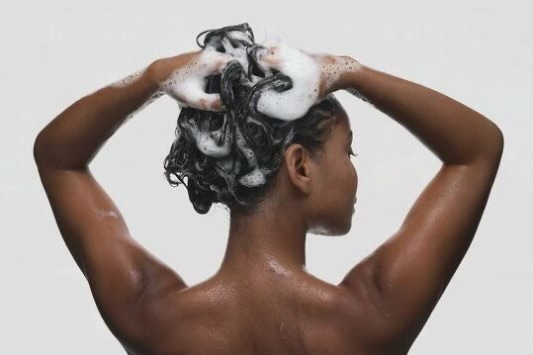
Paying attention to consistency is key. A single week of flat hair likely is not cause for alarm, but ongoing changes in volume, shedding, or scalp visibility should not be ignored. Supporting scalp health with gentle styling, balanced nutrition, hydration, and regular cleansing can help maintain healthy growth.
If thinning continues or worsens, consulting a dermatologist or trichologist can help identify the underlying cause. Early intervention often makes a significant difference.
Sometimes it really is just a bad hair day. But when your hair starts consistently telling a different story, listening early can help protect its long-term health.