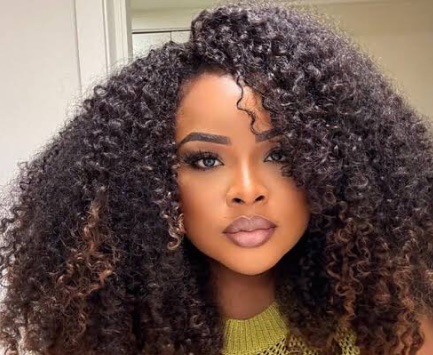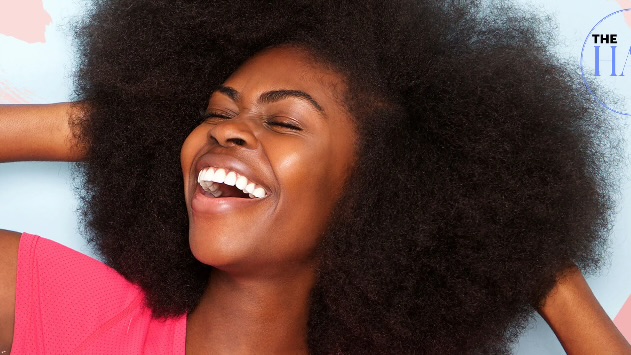
For many women with natural curls, maintaining bounce, definition, and overall hair health can feel like a full-time job.
Factors such as heat styling, product buildup, environmental stressors, and even over-manipulation can leave curls looking limp, frizzy, or undefined.
Fortunately, the latest approach to curl recovery emphasizes restoration rather than repair, giving natural hair a much-needed boost without overcomplicating your routine.
Start with a gentle reset
The first rule of curl recovery is to cleanse without stripping. Sulfate-free shampoos or co-washes remove dirt and buildup while preserving the hair’s natural oils. For curls that are particularly weighed down by product residue, a clarifying shampoo used sparingly can act as a reset button, preparing strands for hydration and styling.
Hydration is non-negotiable
Healthy curls start with moisture. Deep conditioning treatments packed with hydrating ingredients like shea butter, aloe vera, and glycerin help replenish the hair shaft. Leave-in conditioners and curl creams can lock in that hydration, defining the curl pattern and reducing frizz. Experts now recommend layering lightweight products to avoid weighing curls down while still maintaining moisture.
Protective styling matters
To give curls time to recover, consider low-manipulation or protective styles such as braids, twists, or buns. These styles minimize breakage, tangling, and friction, allowing the hair to retain moisture and length. But remember: even protective styles require proper care, including regular moisturizing and gentle handling.
Cutting damaged ends can be transformative
Sometimes recovery means trimming away the parts of your hair that are beyond repair. Removing split or severely dry ends encourages healthier growth and improves overall curl definition. A strategic cut doesn’t have to be drastic, it’s about removing damage while keeping length and shape intact.
Rethink heat and styling tools
Modern curl recovery emphasizes reducing heat exposure. Air-drying, diffusing on low heat, or using heat-free styling methods can protect the natural curl pattern while preventing further damage. When heat is necessary, applying a thermal protectant is key.
Curl recovery today is less about drastic measures and more about mindful, consistent care. By combining gentle cleansing, deep hydration, protective styling, strategic trimming, and minimal heat, curls can regain their bounce, shine, and definition, proving that healthy, happy curls are always within reach.