Few hairstyles have remained as versatile as the bob. From sleek and polished to textured and playful, the cut continues to evolve while keeping its timeless appeal. Whether you are considering your first major chop or simply want to refresh your current look, understanding the different types of bobs can help you find a style that fits your personality, hair texture, and lifestyle.
The blunt bob
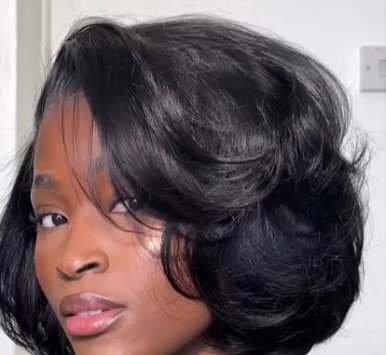
The layered bob
Layers add movement and dimension without sacrificing the signature shape of a bob. This option is particularly useful if you want your haircut to feel lighter and more dynamic.
The asymmetrical bob
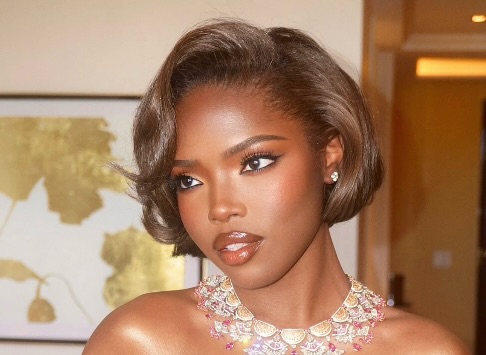
An asymmetrical bob features one side slightly longer than the other, giving the classic cut a modern edge. It is an easy way to experiment with structure without committing to an overly dramatic style.
The textured bob
Perfect for embracing natural movement, the textured bob works with curls, coils and waves. Rather than creating a perfectly uniform shape, the cut allows your natural texture to become part of the finished look.
The French bob
Usually shorter and often paired with bangs, the French bob has a distinctly chic, effortless quality. It can be styled softly or given a more polished finish depending on the occasion.
The A-line bob
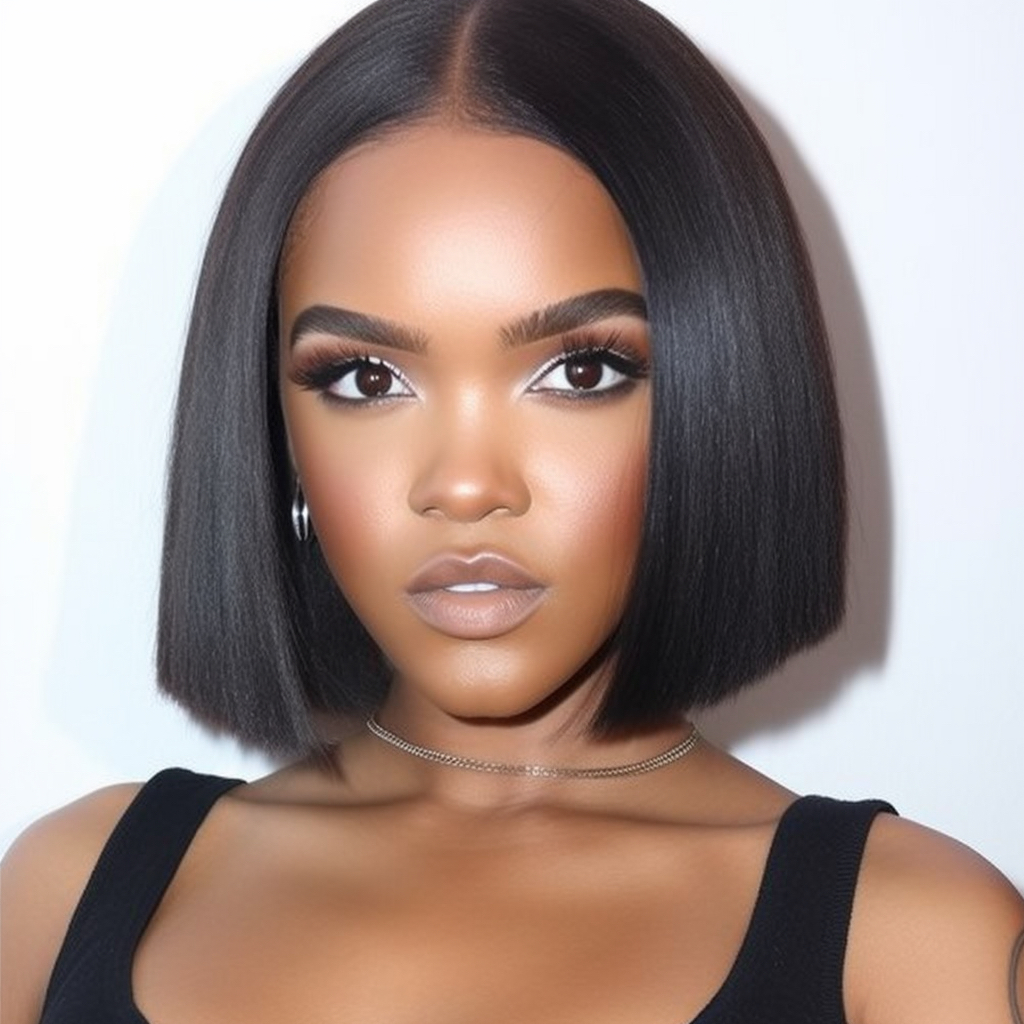
Shorter at the back and gradually longer toward the front, the A-line bob creates a flattering angle around the face. The shape can add structure while maintaining plenty of styling versatility.
The inverted bob
Similar to an A-line bob, the inverted version typically has more noticeable graduation through the back. It creates volume and definition, making it a popular choice for people who want their short hair to have plenty of shape.
The curly bob
A curly bob celebrates texture rather than trying to smooth it away. The length can be customized to accommodate shrinkage and create a balanced shape that works with your curl pattern.
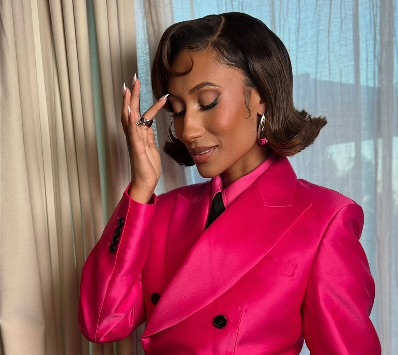
The lob
If you love the idea of a bob but are not ready for a short cut, the long bob, or lob, offers a middle ground. Usually falling around the shoulders or slightly above, it provides more styling options while retaining the bob’s recognizable shape.
Ultimately, choosing the right bob comes down to more than following a trend. Consider your hair texture, face-framing preferences, maintenance routine and how much styling you want to do each day. A skilled hairstylist can also adjust the length, layers and shape to complement your individual features.
With so many variations available, there is a bob for almost every style preference. The key is finding the version that makes you feel confident while working naturally with your hair.