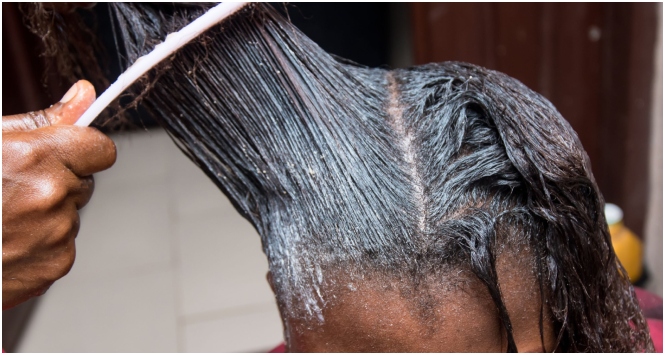
For many Black women, maintaining healthy hair involves more than finding the right products or protective styles. Sometimes, the key to stronger, fuller hair lies beneath the surface. One often-overlooked factor is ferritin, a protein that stores iron in the body and plays a critical role in overall health, including hair growth.
Ferritin acts as the body’s iron reserve. While iron is best known for helping red blood cells carry oxygen throughout the body, ferritin ensures that iron is available when needed. When ferritin levels become too low, the body may prioritize essential functions over hair growth, potentially leading to increased shedding, thinning, or slower growth.
Hair follicles are among the most metabolically active structures in the body, meaning they require a steady supply of nutrients to function properly. Without adequate iron stores, the hair growth cycle can be disrupted. Some research has linked low ferritin levels to forms of hair loss, particularly diffuse shedding that occurs across the scalp rather than in isolated patches.
Black women may be especially vulnerable to low ferritin levels for a variety of reasons. Heavy menstrual cycles, certain dietary patterns, pregnancy, and underlying health conditions can all contribute to reduced iron stores. Because symptoms of low ferritin can be subtle, many people may not realize their iron levels are declining until noticeable hair changes occur.
In addition to hair shedding, low ferritin may be accompanied by fatigue, weakness, headaches, difficulty concentrating, or feeling cold more often than usual. However, these symptoms vary from person to person, which is why blood testing is often necessary to determine whether ferritin levels are within a healthy range.
Experts generally recommend speaking with a healthcare professional if unexplained hair loss or excessive shedding becomes a concern. A blood test can help assess ferritin and other nutrient levels that may be influencing hair health. It is important not to self-diagnose or begin iron supplementation without medical guidance, as excessive iron intake can also pose health risks.
Supporting healthy ferritin levels often involves consuming iron-rich foods such as lean meats, fish, beans, lentils, spinach, and fortified cereals. Pairing these foods with vitamin C-rich fruits and vegetables may help improve iron absorption.
While hair growth is influenced by many factors, ferritin remains an important piece of the puzzle. Understanding and monitoring this nutrient marker can help Black women take a more holistic approach to achieving stronger, healthier hair from the inside out.