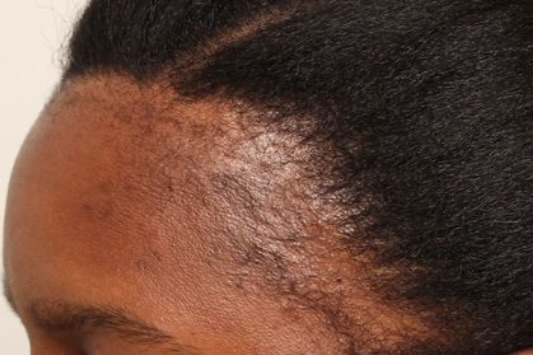
Hair loss can be a distressing experience for anyone, but for many Black women, one particular condition often goes undetected until significant damage has already occurred. Centrifugal Cicatricial Alopecia (CCCA) is one of the most common forms of scarring hair loss among Black women, yet it remains widely misunderstood and frequently misdiagnosed. Understanding the condition and recognizing its early warning signs can make a critical difference in preserving hair and scalp health.
CCCA is a type of scarring alopecia that typically begins at the crown, or center, of the scalp and gradually spreads outward in a circular pattern. Unlike temporary forms of hair shedding, CCCA damages hair follicles and replaces them with scar tissue. Once a follicle is permanently scarred, it can no longer produce hair, making early detection especially important.
One reason CCCA is often misdiagnosed is that its symptoms can resemble other hair and scalp conditions. Early signs may include thinning hair at the crown, scalp tenderness, itching, burning, flaking, or increased hair breakage. These symptoms are sometimes mistaken for dandruff, traction alopecia, hormonal hair loss, or routine scalp irritation, delaying proper treatment.
Researchers are still studying the exact causes of CCCA, but evidence suggests that genetics may play a significant role. Certain hairstyling practices that involve heat, chemical treatments, or prolonged tension may contribute to scalp inflammation in susceptible individuals, although experts now recognize that the condition is not caused solely by styling habits.
Because CCCA is a progressive disorder, early intervention is key. Dermatologists often use scalp examinations, medical history reviews, and, in some cases, scalp biopsies to confirm a diagnosis. Treatment may include prescription anti-inflammatory medications, topical therapies, oral medications, and lifestyle changes aimed at reducing scalp irritation and preserving remaining follicles.
Awareness is particularly important because many women dismiss early symptoms as normal hair challenges. A widening part, persistent tenderness at the crown, or unexplained thinning should not be ignored. Seeking professional evaluation sooner rather than later can improve the chances of slowing the condition’s progression.
The growing conversation around Black women’s hair health has helped bring greater attention to conditions like CCCA, but education remains essential. Understanding that hair loss is not always cosmetic, and may indicate an underlying medical condition, can empower women to advocate for their health.
Ultimately, CCCA highlights the importance of listening to your scalp as closely as you listen to your hair. Early diagnosis and treatment may not reverse existing scarring, but they can help protect remaining follicles and support healthier long-term outcomes for those affected by this often-overlooked condition.