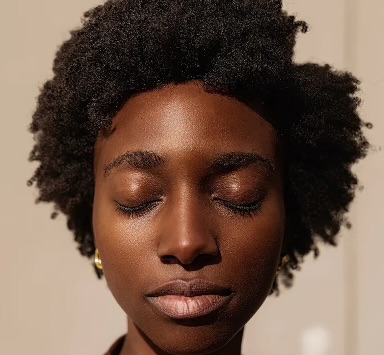
Protective styles have long been a staple in natural hair care routines. From box braids and twists to wigs and sew-ins, these hairstyles are often praised for helping reduce daily manipulation and supporting length retention. But as hair health conversations evolve, experts are encouraging people to understand an important distinction: not every protective style is automatically low-tension, and not every protective style is healthy.
At first glance, the terms may seem interchangeable, but they serve different purposes. A protective style is any hairstyle designed to shield the ends of the hair from environmental stress, friction, and excessive handling. By keeping the ends tucked away, these styles can help reduce breakage and preserve length over time.
Low-tension hairstyles, on the other hand, focus on minimizing stress on the scalp, hair follicles, and hairline. These styles avoid excessive pulling and tightness, allowing the hair to rest naturally. While many low-tension styles can also be protective, the two categories do not always overlap.
For example, tightly installed braids may technically be protective because they keep the ends tucked away. However, if those braids pull excessively on the scalp or edges, they are not low-tension. Over time, that constant strain can lead to breakage, inflammation, and even traction alopecia, a type of hair loss caused by repeated tension on the follicles.
This is where many people unknowingly run into problems. A hairstyle can protect the hair shaft while simultaneously damaging the roots. The result is a style that helps with one aspect of hair care but undermines another.
Hair experts often recommend evaluating a style based on how it feels. If a new hairstyle causes headaches, scalp soreness, bumps around the hairline, or difficulty sleeping, it may be too tight. A healthy style should feel secure and comfortable from the start.
Examples of low-tension options include loose twists, softly installed braids, wash-and-gos, puff styles, low buns, and protective styles that are not installed tightly. These styles can offer many of the benefits of traditional protective styling without placing unnecessary strain on the scalp.
Ultimately, the healthiest hairstyles are those that balance protection with comfort. The goal isn’t simply to hide the ends of the hair, it’s to protect the entire hair ecosystem, from the follicles to the tips. Understanding the difference between protective and low-tension styles can help you make better choices, reduce preventable damage, and support stronger, healthier hair for the long term.