Stress shows up in many ways, fatigue, breakouts, mood swings, but one of the most overlooked places it manifests is in your hair.
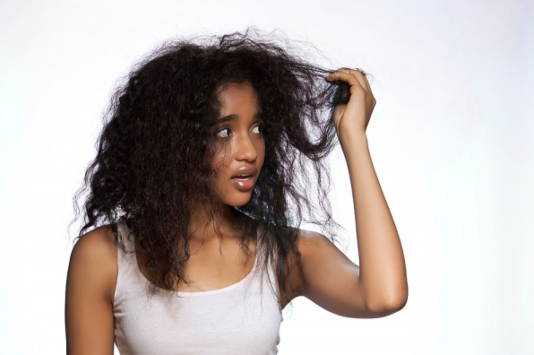
If you’ve noticed increased shedding, thinning edges, or an unusually dry scalp during a high-pressure season, you’re not imagining it.
Emotional and physical stress can disrupt your hair’s natural growth cycle, pushing strands into a resting phase known as telogen effluvium. The result? Excessive shedding a few weeks, or even months, after the stressful event.
When your body goes into survival mode, it prioritizes essential organs over “non-essential” functions like hair growth. Elevated cortisol levels can also trigger inflammation in the scalp, worsen dandruff, and contribute to breakage. For those with textured or tightly coiled hair, which is naturally more fragile, stress-related shedding can feel even more alarming.
The good news: while stress can disrupt your hair, it doesn’t have to define its health long-term. The first step is addressing the source. Incorporating stress-management practices like regular exercise, prayer or meditation, journaling, or therapy can help regulate cortisol levels and restore balance. Even small rituals, like a nightly scalp massage, can calm both your nervous system and your follicles.
Nutrition also plays a critical role. During stressful periods, appetite changes can lead to nutrient deficiencies that further weaken strands. Focus on protein-rich meals, iron-packed leafy greens, omega-3 fatty acids, and adequate hydration. If shedding persists, consult a healthcare provider to rule out underlying issues such as hormonal imbalances or anemia.
Protective styling can minimize manipulation and prevent additional breakage, but balance is key. Avoid excessively tight braids or slicked-back styles that strain already fragile edges. Instead, opt for low-tension styles and prioritize moisture. Deep conditioning weekly, incorporating lightweight oils to seal hydration, and using satin or silk scarves at night can help preserve your hair’s integrity.
Most importantly, give yourself grace. Hair growth is cyclical, and temporary shedding doesn’t mean permanent loss. Once stress levels stabilize, your follicles typically resume their normal growth pattern. Think of it as a reset rather than a setback.
Tough seasons are inevitable, but your hair can still thrive with intention and care. Stress less where you can, protect more where it counts, and remember that healing, like growth, takes time.