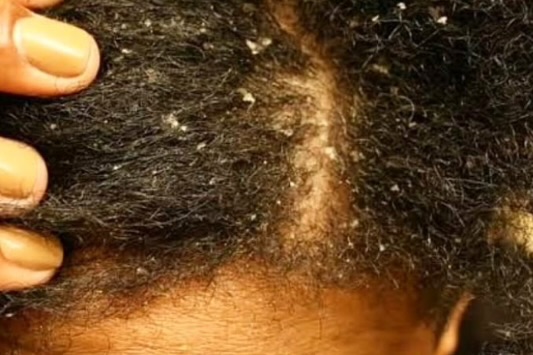
A sore scalp can feel like an unexpected setback in your hair care routine, tender to the touch, uncomfortable during styling, and sometimes even painful enough to disrupt your day.
While it’s easy to dismiss it as minor irritation, scalp soreness is often your body’s way of signaling that something deeper needs attention.
One of the most common causes is tension. Tight hairstyles like braids, ponytails, or sew-ins can strain the hair follicles, leading to inflammation and discomfort. Over time, repeated tension may even contribute to traction alopecia, a form of hair loss caused by prolonged pulling at the roots. If your style feels too tight on day one, that’s a clear sign your scalp is under stress.
Product buildup is another hidden culprit. Heavy oils, gels, and styling creams can accumulate on the scalp, clogging pores and disrupting its natural balance. This can lead to itchiness, soreness, and even flaking. In some cases, buildup may also contribute to conditions like seborrheic dermatitis, which causes redness and irritation.
Dryness plays a role too, especially for those with natural or textured hair. When the scalp lacks moisture, it can become tight, flaky, and sensitive. Environmental factors like heat, cold weather, or harsh shampoos can strip the scalp of its natural oils, making matters worse.
There’s also the issue of inflammation triggered by underlying conditions such as folliculitis or even stress-related reactions. These can cause small bumps, tenderness, and discomfort that shouldn’t be ignored.
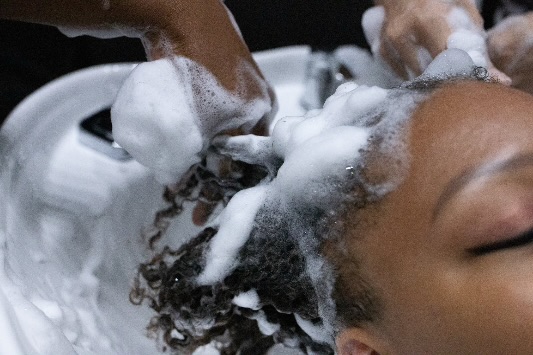
The good news? Relief is within reach. Start by loosening your styling habits, opt for low-tension protective styles and give your scalp regular breaks between installations. When washing your hair, focus on gentle cleansing. A sulfate-free shampoo can help remove buildup without over-drying, while a clarifying treatment used occasionally can reset your scalp.
Hydration is key. Lightweight oils like jojoba or tea tree can soothe irritation while maintaining balance. Scalp massages can also boost circulation, helping to reduce tension and promote healthy hair growth.
If soreness persists, consider simplifying your routine. Sometimes less is more when it comes to products. And if you notice ongoing pain, redness, or bumps, consulting a dermatologist is essential to rule out more serious conditions.
Ultimately, a healthy scalp is the foundation of healthy hair. Listening to your scalp’s signals, and responding with care, can restore comfort, encourage growth, and keep your hair journey on track.