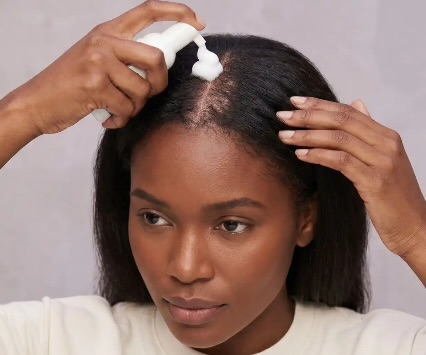
Scalp oiling has become a popular part of many hair-care routines, particularly among people looking to improve moisture, reduce dryness, and support healthier-looking hair. From rosemary-infused blends to coconut and castor oil, these treatments are often praised for their nourishing benefits. However, applying oil directly to your scalp is not suitable for everyone. If you struggle with dandruff, adding more oil could make the problem worse.
Understanding your scalp type is essential before adopting an oiling routine. What works for someone with a dry scalp may not be helpful for someone dealing with flaking, irritation, or excess oil production.
Why scalp oiling can worsen dandruff
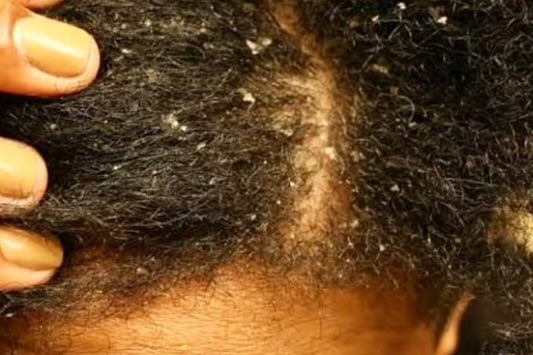
Dandruff is commonly associated with seborrheic dermatitis, an inflammatory scalp condition linked to several factors, including sensitivity to Malassezia, a yeast that naturally lives on the skin. The condition can cause itching, redness, and white or yellowish flakes.
Malassezia feeds on lipids, including oils found on the scalp. Applying certain oils may increase the available lipids and potentially aggravate symptoms in people who are prone to dandruff or seborrheic dermatitis. However, everyone’s scalp responds differently, and not every oil has the same effect.
Know your scalp before reaching for oil
Not every flaky scalp has dandruff. Some people experience dryness, which can cause small flakes and tightness without the inflammation associated with seborrheic dermatitis. Others may have an oily scalp that becomes greasy quickly.
If your scalp feels dry but is not irritated or affected by persistent flaking, a carefully selected product may help improve comfort. However, if you experience recurring flakes, redness, itching, or greasy scales, avoid assuming that more oil is the solution.
People with dandruff may benefit more from a targeted scalp-care routine than from layering oils onto the roots.
What to do instead of scalp oiling
If dandruff is a concern, consider using an anti-dandruff shampoo containing ingredients such as ketoconazole, selenium sulfide, or zinc pyrithione, where available. Follow the product instructions and allow medicated shampoos enough contact time to work.

Wash your scalp regularly, rinse thoroughly, and avoid scratching or aggressively scrubbing irritated areas. If symptoms persist, become severe, or involve significant hair shedding, consult a dermatologist for an appropriate diagnosis and treatment.
Choose scalp care over trends
Scalp oiling is not a universal hair-care solution. While oils may help condition hair lengths and ends, applying them directly to a dandruff-prone scalp can be counterproductive. The best routine starts with understanding what your scalp needs, not simply following the latest trend.
Hair washing pro max #myhairportal #hairstyles #hair #howto #haircare #africa #braids #shorts #salon