Hair fragrance, often marketed as hair perfume or scented mist, has become a popular addition to modern beauty routines. It promises fresh-smelling hair throughout the day, especially for those who want to neutralize odors from sweat, cooking, or environmental exposure.
But for natural hair lovers, the question remains: is it a harmless beauty boost or a hidden hair problem?
At its core, hair fragrance is designed to sit lightly on the hair shaft and provide a pleasant scent without the heaviness of traditional perfumes. Many formulas are alcohol-light or alcohol-free, which helps reduce dryness compared to body sprays. However, not all products are created equal, and this is where caution becomes important for natural hair care.
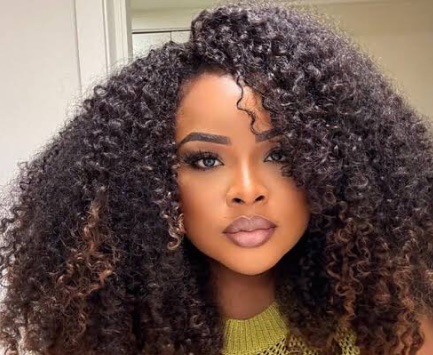
Natural hair, especially curly and coily textures, thrives on moisture balance. Because of its structure, it tends to be more prone to dryness and breakage. Some hair perfumes contain alcohol, synthetic fragrances, or other drying agents that can strip moisture over time. This can leave curls feeling brittle or less defined if the product is used frequently without proper hydration.
On the positive side, well-formulated hair fragrances can actually complement a healthy hair routine. Many newer products are infused with nourishing ingredients like aloe vera, essential oils, and lightweight conditioners. These versions help refresh hair without disrupting the scalp’s natural balance. For people who wear protective styles or go longer between wash days, a gentle scent mist can also help maintain confidence and freshness.
The key lies in how and how often hair fragrance is used. Experts suggest applying it sparingly and focusing on mid-lengths and ends rather than directly on the scalp. This helps avoid buildup while still delivering a fresh scent. Pairing it with a solid moisture routine, like leave-in conditioners and oils, ensures the hair stays hydrated underneath the fragrance layer.
It’s also important to read ingredient labels carefully. Natural hair responds best to products that prioritize hydration over heavy synthetic additives. If a hair perfume causes dryness, itchiness, or dullness, it may be worth switching to a lighter or more natural alternative.
Ultimately, hair fragrance is not inherently good or bad for natural hair, it depends on formulation and usage. When chosen wisely and used in moderation, it can be a pleasant finishing touch rather than a harmful addition. For natural hair lovers, balance remains the secret: healthy, moisturized strands first, and fragrance second.