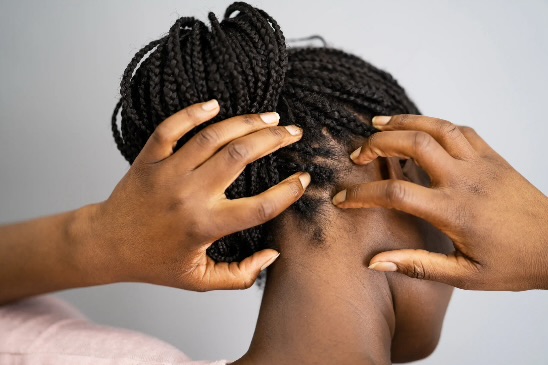
A dry, itchy scalp can be uncomfortable, frustrating, and difficult to ignore.
Flaking, tightness, and irritation often signal that something in your routine, or environment, is throwing your scalp off balance.
While dry scalp is common, especially among people with textured hair, understanding the root causes is the first step toward long-term relief.
Weather is one of the biggest contributors. Cold air, low humidity, and excessive heat indoors can strip moisture from the scalp, leaving it dehydrated and flaky. Even hot climates can trigger dryness when the sun and sweat disrupt the scalp’s natural oils. Seasonal changes often explain why dry scalp seems to flare up at certain times of the year.
Wash day habits also play a major role. Shampooing too frequently or using harsh, sulfate-heavy cleansers can remove the scalp’s protective oils. On the other hand, not washing often enough can allow product buildup to block moisture from penetrating the scalp. Striking the right balance, cleansing regularly with gentle, hydrating formulas, is essential for maintaining scalp health.
Product choice matters more than many realize. Alcohol-based styling products, heavy gels, and fragranced sprays can irritate the scalp and worsen dryness over time. Layering products without proper cleansing can also lead to buildup, which causes itchiness and flakes that are often mistaken for dandruff. For textured and natural hair, lightweight, moisturizing products tend to support scalp comfort better than overly drying formulas.
Hydration isn’t just topical. Not drinking enough water can show up on the scalp just as it does on the skin. A lack of internal hydration may lead to dryness and increased sensitivity. Diet also plays a role, low intake of healthy fats, vitamins, and minerals can affect oil production and overall scalp condition.
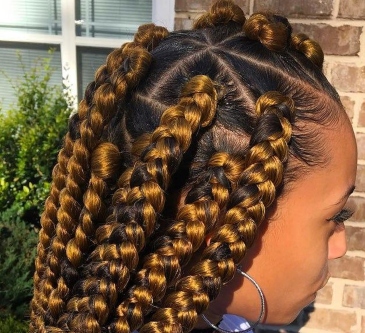
Protective styling can be both helpful and harmful, depending on execution. Styles that are too tight may restrict blood flow and cause irritation, while long-term styles without proper cleansing can trap dirt and sweat. Scalp access and regular moisturizing are key to preventing dryness while wearing braids, twists, or wigs.
Finally, underlying skin conditions such as eczema, psoriasis, or seborrheic dermatitis may contribute to persistent dry scalp. If flakes are severe, inflamed, or accompanied by redness, it’s worth consulting a dermatologist for proper diagnosis and treatment.
Dry scalp isn’t caused by one thing alone. By paying attention to weather changes, wash day routines, product choices, and overall health, you can identify the triggers and create a routine that restores comfort, balance, and moisture to your scalp.