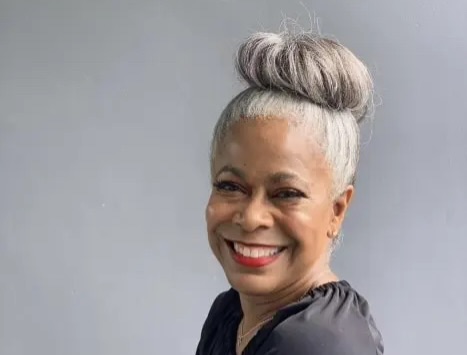
For many Black women, spotting the first gray strand can feel surprising, emotional, or even confusing. While gray hair is a completely natural part of aging, the conversation around it often comes with pressure tied to beauty standards, youth, and hair texture.
But experts say graying hair is influenced by several factors beyond age alone, including genetics, stress, and overall health. Understanding those changes can help Black women care for their hair more effectively as it evolves.
Gray hair develops when the body produces less melanin, the pigment responsible for hair color. Over time, pigment-producing cells in the hair follicle slow down or stop functioning entirely, causing strands to grow in silver, white, or gray. Genetics play one of the biggest roles in determining when graying begins. Some people notice gray hairs in their twenties, while others may not see major changes until much later in life.
Stress has also become part of the conversation around premature graying. While stress alone may not instantly turn hair gray, researchers believe chronic stress can impact the body in ways that accelerate the aging process, including changes in hair pigmentation. Nutritional deficiencies, hormonal changes, and certain medical conditions may also contribute to earlier graying in some individuals.
For Black women specifically, gray hair can behave differently in texture and moisture retention. Many people notice that gray strands feel coarser, drier, or more fragile than pigmented hair. This happens because aging hair often produces less natural oil, making hydration even more important. Deep conditioning treatments, moisturizing leave-ins, and gentle handling can help maintain softness and reduce breakage.
Hair color choices also become an important consideration during the transition. Some women embrace their gray naturally, while others prefer dyes, highlights, or blending techniques to soften the contrast. Professionals often recommend ammonia-free or moisturizing color treatments for textured hair to help minimize dryness and maintain curl health.
The growing visibility of gray natural hair online has also helped shift beauty conversations. More Black women are sharing their silver curls, coils, and locs proudly, challenging outdated ideas that gray hair must always be hidden. Instead, many are treating the transition as another stage of self-expression and hair evolution.
Whether embraced fully or covered creatively, gray hair does not signal the end of beauty or healthy hair. With proper care, moisture, and patience, Black women can continue wearing their hair confidently at every stage.