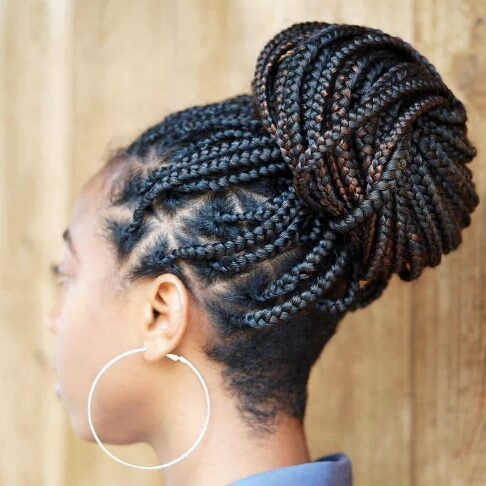
Traction alopecia has become an increasingly common concern, especially among women who regularly wear protective styles like braids, locs, and tight ponytails.
While these styles can be beautiful and culturally significant, the tension they place on the hair shaft and follicles over time can lead to thinning edges, breakage, and eventual hair loss.
This has led many to wonder: Can taking a break from braids actually reverse traction alopecia? The short answer is, yes, in many cases, it can.
Traction alopecia occurs when repeated pulling or friction damages the hair follicles. The earliest signs often include tenderness along the hairline, small bumps, excessive shedding, and thinning around the edges. Fortunately, when caught in its initial stages, traction alopecia is one of the few forms of hair loss that can be reversed. Giving your hair and scalp a break from tension-based styles is often the first and most effective step in promoting recovery.
Stepping away from braids allows the follicles the opportunity to heal and reset. Without the constant pulling, inflammation decreases, blood flow improves, and the scalp is better able to support new growth. Pairing this break with gentle care, such as massaging the scalp with lightweight oils, minimizing heat, and using strengthening treatments, can accelerate the healing process.
However, it’s important to note that not all cases of traction alopecia respond the same way. If the tension has been long-term or severe, the follicles may become permanently damaged. In these situations, hair may not fully regrow even with extended rest. Dermatologists and trichologists can help assess the extent of the damage and may recommend additional treatments such as topical minoxidil, platelet-rich plasma (PRP) therapy, or low-level laser therapy.
For those who love braids and wish to continue wearing them, prevention is key. Choosing knotless braids, avoiding excessive hair additions, reducing braid size, and ensuring minimal tension can make a significant difference. Rotating styles and giving the scalp regular rest periods also reduce the risk of long-term damage.
Ultimately, taking a break from braids can be a vital step toward reversing traction alopecia, especially when combined with thoughtful scalp care and early intervention. Prioritizing your hair’s health doesn’t mean giving up protective styling altogether; it simply means choosing styles that protect both your strands and your follicles.