The refreshing tingle of a mint-infused shampoo or conditioner can make wash day feel like a spa experience. From peppermint shampoos to conditioners containing spearmint extracts, mint has become a popular ingredient in hair-care products, particularly those marketed for scalp freshness, cleansing, and growth. But beyond that familiar cooling sensation, what does mint actually do for natural hair, and is it safe to use regularly?
Mint, particularly peppermint, contains menthol, a compound responsible for its distinctive cooling effect. When included in shampoos and conditioners, it can create a refreshing sensation on the scalp. However, feeling cool does not automatically mean your scalp is healthier or that your hair is growing faster.
Why is mint used in hair products?
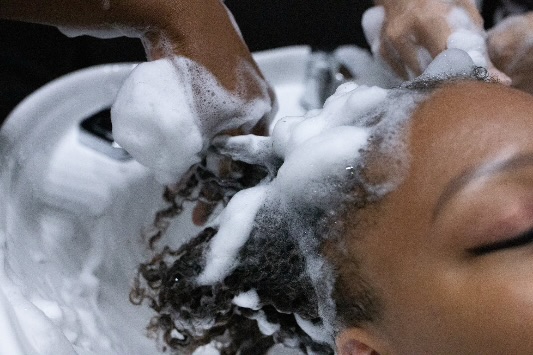
In shampoos, mint can make the cleansing experience feel invigorating, especially after a sweaty day or when your scalp feels oily. Some formulations also combine mint with cleansing ingredients that help remove excess sebum, sweat, and product buildup.
Conditioners may contain mint to provide a refreshing finish while helping soften and detangle strands. However, the conditioning benefits generally come from the product’s overall formulation rather than mint alone.
Can mint promote hair growth?
Mint is sometimes promoted as a natural hair-growth ingredient, but the evidence needs careful interpretation. A frequently discussed study found that peppermint oil encouraged hair growth in mice, but this does not establish that mint shampoos or conditioners produce the same results in humans.
There is currently insufficient clinical evidence to recommend mint as a proven treatment for hair loss or thinning edges. If you are experiencing persistent shedding, thinning, or bald patches, a dermatologist can help identify the cause and recommend appropriate treatment.
Is mint safe for natural hair?
For most people, properly formulated mint shampoos and conditioners can be used safely. However, peppermint oil and other concentrated mint essential oils may irritate sensitive skin, particularly when used undiluted.
If you have eczema, a sensitive scalp, or existing irritation, check the ingredient list before trying a new product. Stop using it if you experience burning, redness, persistent itching, or discomfort. The cooling sensation should never feel painful.
How to include mint in your routine
Choose products formulated for your hair’s needs rather than relying on the mint content alone. If your natural hair is dry, look for shampoos that cleanse without leaving your strands feeling stripped and conditioners with effective moisturizing ingredients.

Use mint products according to their instructions, rinse thoroughly, and avoid layering several strongly fragranced or menthol-based products if your scalp is sensitive.
Ultimately, mint can make wash day feel refreshing and contribute to a pleasant cleansing experience. Just remember that a cooling scalp is not necessarily a growing scalp. Healthy natural hair still depends on gentle cleansing, consistent conditioning, and a routine suited to your hair and scalp.