When your hair starts looking thinner, reaching for a bottle of hair oil can feel like a natural first step. From rosemary and jojoba to castor and coconut oil, these popular ingredients are often included in routines designed to support healthier-looking hair. However, using too much oil or applying the wrong formula can leave fine or thinning strands greasy, flat, and difficult to manage.
The key is understanding what oils can and cannot do, choosing lightweight options, and applying them thoughtfully.
Choose oils based on your hair’s needs
Not all oils behave the same way. Lightweight options such as jojoba, grapeseed, and argan oil can help soften hair, reduce friction, and add shine without leaving a particularly heavy finish when used sparingly.
Castor oil, on the other hand, has a thicker consistency. Although it is popular in hair-growth routines, there is limited scientific evidence that it directly stimulates hair growth. Rosemary oil has also attracted attention for its potential benefits, but research remains limited. Neither should be treated as a guaranteed solution for thinning hair.
Apply less, especially at the roots
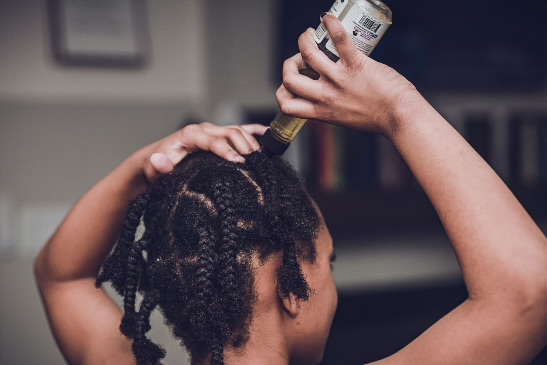
One of the most common mistakes is using too much product. If your hair is fine or your scalp becomes oily quickly, a few drops may be sufficient. Warm the oil between your palms before applying it lightly to your hair or focusing on dry areas.
You do not need to saturate your scalp to benefit from conditioning. Heavy applications can cause buildup, make strands clump together, and leave your hairstyle looking flatter.
Be careful with essential oils
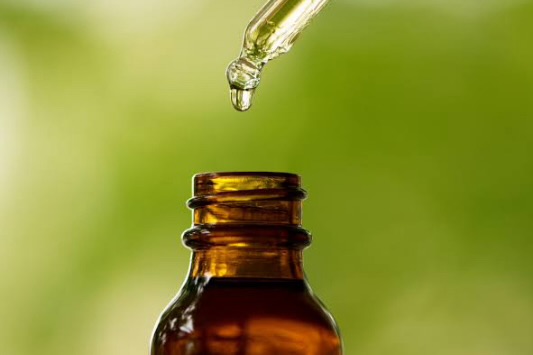
Essential oils, including rosemary and peppermint, should never be applied directly to the scalp undiluted. They can cause irritation, itching, or allergic reactions. Always dilute them in a suitable carrier oil, follow product instructions, and perform a patch test before use. Stop if irritation develops.
Focus on scalp health, not just shine
Hair oils can help condition strands and reduce dryness, but they cannot address every cause of thinning. Genetics, hormonal changes, nutritional deficiencies, stress, and certain medical conditions can contribute to hair loss.
If you notice persistent shedding, widening parts, or thinning around your edges, consult a dermatologist to identify the cause. A targeted treatment may be more effective than relying on oils alone.
Ultimately, use oils as a conditioning addition, not a miracle growth treatment. A lighter application, gentle handling, and consistent scalp care can help keep your hair comfortable, manageable, and looking its best.
Hair growth oil that works fast #myhairportal #braids #howto #hairstyles #braids #haircare #shorts