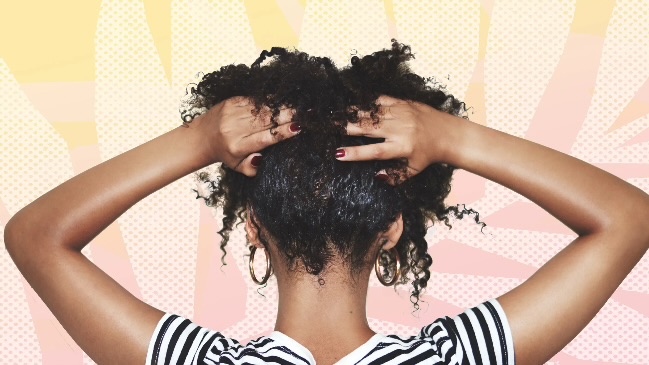
When building a healthy hair-care routine, it is easy to focus entirely on your strands while overlooking the skin underneath them. However, your scalp plays an important role in supporting healthy hair growth, maintaining moisture balance and protecting your hair follicles. Just as your face has a skin type, your scalp has its own characteristics and needs. Understanding whether yours is dry, oily, balanced or sensitive can help you choose suitable products and avoid routines that contribute to irritation, buildup or discomfort.
Why knowing your scalp type matters
Your scalp produces natural oils called sebum, which help lubricate and protect the skin and hair. However, the amount of sebum produced varies from person to person. Cleansing habits, environmental conditions, genetics and hormonal changes can also influence how your scalp behaves.
1. Dry scalp: Prioritize gentle cleansing and hydration
A dry scalp may feel tight, itchy or uncomfortable, sometimes accompanied by small, dry flakes. It can become more noticeable during colder weather, frequent washing or when using harsh cleansing products.
If this sounds familiar, choose gentle, moisturizing shampoos and avoid excessively hot water. Follow cleansing with suitable conditioning products, and avoid applying heavy oils that may cause buildup without addressing the underlying dryness.
Persistent flaking may also indicate dandruff or another scalp condition, so do not automatically assume every dry-looking scalp needs more oil.
2. Oily scalp: Focus on effective cleansing
If your roots become greasy shortly after washing, you may have an oily scalp. Excess sebum can make your hair look flat and contribute to product buildup.
A suitable routine should include regular cleansing with a shampoo that effectively removes excess oil without excessively stripping your scalp. You may also benefit from lightweight conditioners applied mainly to your mid-lengths and ends.
Avoid layering heavy oils and styling products directly onto your scalp.
3. Balanced scalp: Maintain consistency
A balanced scalp generally feels comfortable, without excessive oiliness, persistent dryness or irritation. Your goal should be maintaining that balance rather than introducing unnecessary products.
Use a gentle shampoo, condition regularly and adjust your routine when your scalp’s needs change.
4. Sensitive scalp: Keep your routine simple
Sensitive scalps may react to fragrances, certain preservatives, harsh cleansers or other ingredients. Signs include itching, redness, burning and irritation.
Choose gentle, fragrance-free products where possible, introduce new formulas gradually and discontinue anything that triggers discomfort. Persistent symptoms may require assessment by a dermatologist.
Build a routine around your scalp
Your scalp type is not necessarily permanent. Hormones, weather, stress and lifestyle changes can influence its condition over time.
Ultimately, healthy hair care starts with understanding the environment from which your strands grow. Rather than purchasing products simply because they are popular, pay attention to your scalp’s behavior and choose a routine that addresses its actual needs.