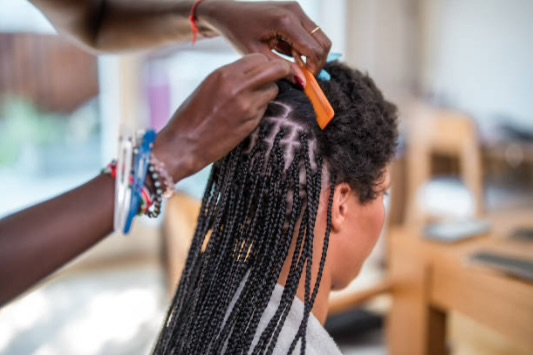
Braids, wigs, sew-ins, loc extensions, and other protective styles make it easier to switch up your look while reducing the need for daily styling. But if you are constantly moving from one installation to another, your natural hair may not be getting the break it needs. Protective styling can help minimize manipulation, but wearing extensions continuously without giving your scalp and strands time to recover can contribute to dryness, tension, and breakage.
Giving your hair a break between styles is not about abandoning your favorite looks. It is about creating enough time to care for your natural hair before covering it up again.
Why your hair needs time between styles
Protective hairstyles can place stress on your hair, particularly when they involve extensions, tight installation, or heavy styling. Braids and sew-ins may pull on the roots, while repeated wig installations can expose your hairline to friction, adhesives, and tension.
Taking a break allows you to assess your hair’s condition, address any irritation, and reduce the repeated tension associated with back-to-back installations.
What should you do during your hair break?
A break does not have to mean leaving your hair untouched. Instead, use the opportunity to focus on the basics.
Cleanse your scalp: Remove sweat, excess oil, dead skin cells, and styling-product buildup with a gentle shampoo suited to your scalp.
Condition your strands: Follow cleansing with a moisturizing conditioner to improve softness and manageability. Consider deep conditioning if your hair feels particularly dry.
Detangle gently: Work in small sections, using your fingers or a wide-tooth comb. Start at the ends and gradually work towards the roots to minimize unnecessary breakage.
Give your edges attention: Avoid tight ponytails, slicked-back buns, and hairstyles that pull on your hairline. If you notice thinning or persistent tenderness, consult a dermatologist.
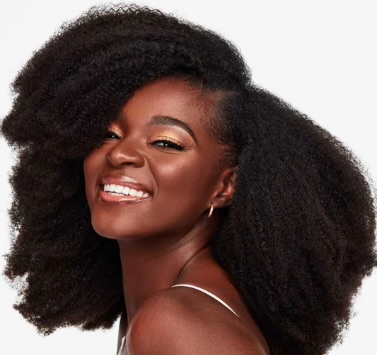
Choose low-manipulation styles: Wear loose twists, simple buns, or your natural texture without adding heavy extensions or excessive tension.
How long should you leave your hair out?
There is no universal recovery period that applies to everyone. Your hair’s condition, previous hairstyle, and level of tension all matter. A few days may provide an opportunity to cleanse and condition, while hair experiencing significant breakage or scalp irritation may need a longer break and professional attention.
Pay attention to how your scalp and strands respond rather than rushing into another installation.
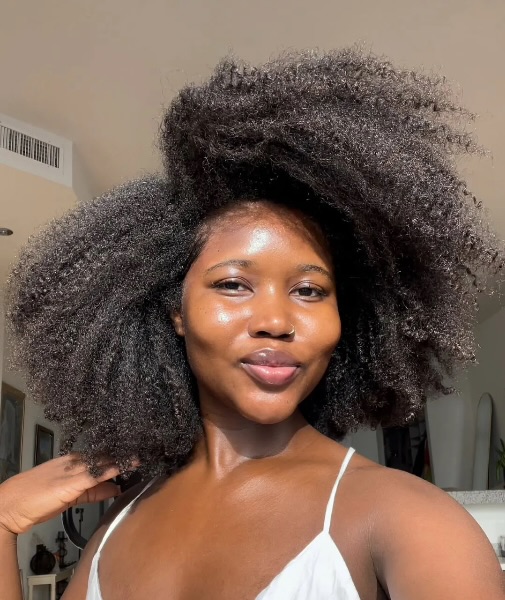
Make healthy hair the priority
Protective styling should support your hair goals, not become a source of damage. Rotating between different styles, avoiding excessive tension, and allowing time for proper cleansing and conditioning can help maintain healthier strands.
Remember, length retention is not just about keeping your hair tucked away. Sometimes, the best thing you can do for your hair is give it room to breathe, recover, and receive the care it deserves.