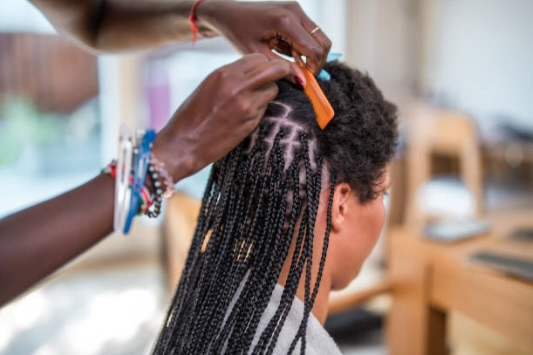
When it comes to maintaining healthy-looking hair, the scalp deserves just as much attention as the strands. While shampoos, conditioners, masks, and leave-in products often dominate haircare routines, scalp oils can provide another way to support scalp comfort and overall hair health. Rich in naturally occurring fatty acids and, depending on the oil, various vitamins and antioxidants, oils can be a nourishing addition to a balanced routine.
Different oils offer different benefits. Coconut oil, for example, is widely used in haircare because its fatty acids can help reduce protein loss from the hair shaft. Argan oil contains vitamin E and other compounds associated with conditioning and antioxidant properties. Jojoba oil is structurally similar to the skin’s natural sebum, making it a popular choice for scalp and hair treatments.
However, calling every hair oil a “vitamin-rich” treatment requires some context. Not all oils contain significant amounts of vitamins, and applying an oil to the scalp does not necessarily mean those nutrients will penetrate deeply or address a vitamin deficiency. Instead, the main appeal of scalp oils is often their emollient properties, which can help reduce dryness and improve the feel and appearance of hair.
How you use the oil matters, too. A small amount can be gently massaged into the scalp before shampooing or incorporated into a pre-wash treatment. People with oily scalps may prefer using less oil or applying it primarily to the lengths and ends. Leaving heavy oils on the scalp for long periods may not be comfortable for everyone and can contribute to buildup.
It is also important to choose products according to your individual hair and scalp needs. Fragranced or essential-oil-heavy formulas may irritate sensitive skin, while very thick oils may feel difficult to wash out. A patch test can be useful when trying a new product, particularly if you have sensitive skin.
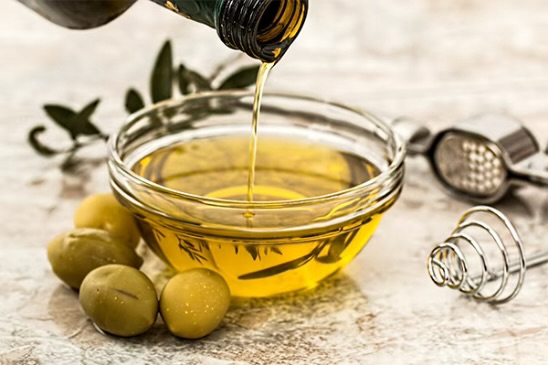
Scalp oiling should therefore be viewed as a supportive haircare practice rather than a cure-all. A healthy scalp also benefits from gentle cleansing, adequate moisture, and avoiding excessive heat or tension. Persistent itching, flaking, redness, pain, or unusual hair loss may require professional evaluation rather than simply adding more oil to your routine.
Ultimately, the right scalp oil can be a simple way to introduce conditioning ingredients and a relaxing massage into your haircare regimen. With the right product and application method, oil can complement, not replace, a consistent approach to scalp and hair care.