Bleached hair can be beautiful, but achieving that lighter shade often comes at a cost. Frequent bleaching strips the hair of moisture and protein, leaving strands dry, fragile, and prone to breakage. For many people, the challenge is not simply maintaining their color, it is growing out their hair when the ends are seriously fried.
The good news is that even heavily processed hair can recover with the right approach. While damaged ends cannot truly be repaired, healthy habits can minimize breakage and help preserve length as new hair grows in.
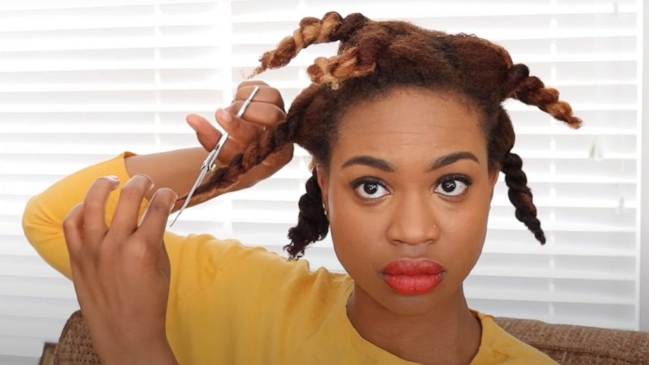
The first step is accepting the importance of regular trims. It may seem counterintuitive to cut hair when trying to grow it longer, but removing split and frayed ends prevents damage from traveling further up the hair shaft. Small trims every few months can make a significant difference in maintaining overall hair health.
Moisture should become a top priority. Bleached hair loses much of its natural protective barrier, making it difficult to retain hydration. Deep-conditioning treatments, hydrating masks, and leave-in conditioners can help replenish moisture and improve softness. Ingredients such as shea butter, aloe vera, glycerin, and natural oils are particularly beneficial for thirsty strands.
Protein treatments can also play an important role. Because bleach weakens the structural proteins within the hair, occasional protein-based products can help strengthen fragile strands. However, balance is key. Too much protein can leave hair stiff and brittle, so alternating between moisture-focused and strengthening treatments often delivers the best results.
Heat styling should be minimized whenever possible. Flat irons, curling wands, and blow dryers can worsen existing damage and increase breakage. Air-drying, heatless styling methods, and protective hairstyles can help reduce stress on weakened hair.
Gentle handling is equally important. Swapping rough towels for microfiber alternatives, detangling with a wide-tooth comb, and sleeping on a satin or silk pillowcase can help prevent unnecessary friction and breakage.
Scalp care should not be overlooked. A healthy scalp provides the foundation for healthy hair growth. Regular cleansing, scalp massages, and nourishing scalp treatments can create an environment that supports stronger, healthier strands.
Perhaps most importantly, growing out damaged hair requires patience. Hair typically grows about half an inch per month, making the process gradual rather than immediate.
While there is no overnight fix for bleach damage, consistency can transform the health of your hair over time. With strategic trims, hydration, strengthening treatments, and gentle care, those fried ends can eventually become a distant memory as stronger, healthier hair takes their place.