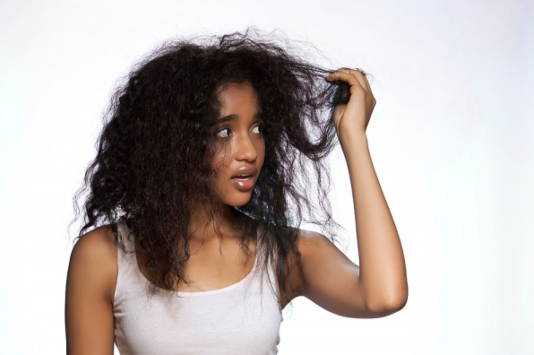
If your curls seem dull, brittle, or unusually frizzy, your natural hair may be trying to tell you something: it’s thirsty. While many people use the terms “dry” and “dehydrated” interchangeably, they are not exactly the same. Understanding the difference can help you choose the right products and habits to bring your hair back to life.
Dehydrated hair lacks water, while dry hair lacks oil or moisture-retaining ingredients. Natural hair can experience both issues at the same time, but dehydration is often the culprit when curls suddenly lose their bounce and softness.
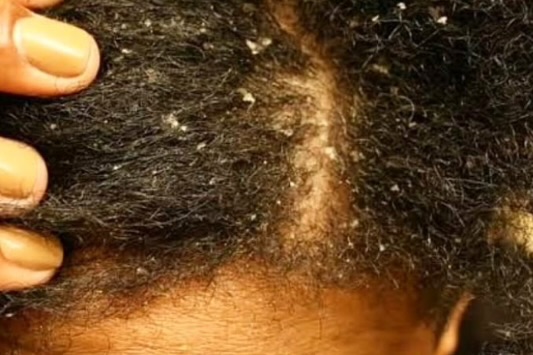
One of the most common signs of dehydrated natural hair is a rough texture. Hair that normally feels smooth may become coarse or straw-like to the touch. You may also notice increased frizz, even after styling. When hair lacks water, the cuticle can become raised, making strands more vulnerable to humidity and flyaways.
Another clue is a loss of curl definition. Dehydrated curls often appear limp, stretched, or less springy than usual. If your twist-outs, wash-and-gos, or braid-outs no longer hold their shape, your hair may need more hydration rather than additional styling products.
Excessive tangling can also signal dehydration. Hair that lacks sufficient water tends to knot more easily, making detangling sessions longer and more frustrating. In severe cases, dehydration can contribute to breakage because dry, fragile strands are less elastic and more prone to snapping.
Fortunately, restoring hydration is often straightforward. Start by incorporating water-based products into your routine. Look for leave-in conditioners and moisturizers that list water among their first ingredients. Hydrating ingredients such as aloe vera, glycerin, and panthenol can also help attract and retain moisture.
Deep conditioning regularly is another important step. A weekly hydrating treatment can replenish moisture levels and improve manageability. Pair this with gentle cleansing to remove product buildup that may prevent water from penetrating the hair shaft.
Protective styling can also help maintain hydration by reducing daily manipulation and moisture loss. Styles such as twists, braids, and buns can keep hair protected while allowing moisturizing products to work effectively.
Finally, seal in hydration with lightweight oils or creams after applying water-based products. This helps slow moisture loss and keeps curls feeling soft for longer.
When your natural hair is properly hydrated, it typically becomes shinier, softer, and easier to style. Paying attention to the early signs of dehydration can help you address the issue before it leads to unnecessary breakage, allowing your curls to thrive year-round.