Sculptural hairstyles are taking over beauty spaces, red carpets, fashion campaigns, and social media feeds, and Black women are leading the movement with creativity, intention, and cultural pride.
From gravity-defying Afro shapes to intricate braided structures twisted into wearable art, these hairstyles are proving that natural hair is not just versatile but deeply expressive.
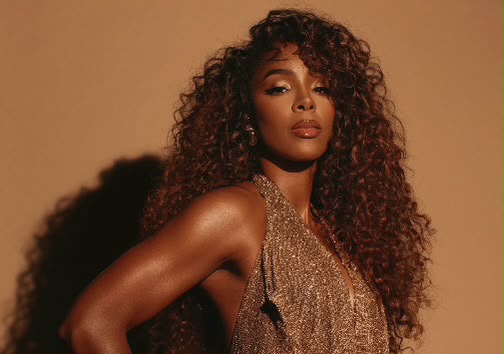
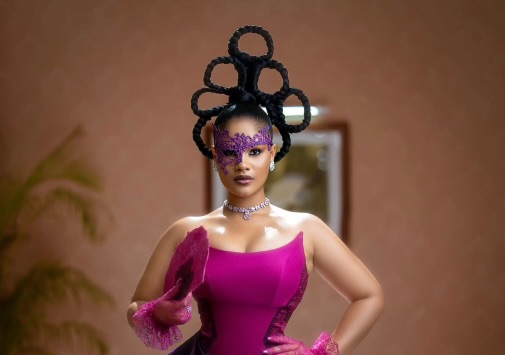
What makes sculptural hair so captivating is its ability to merge beauty with storytelling. These styles often use natural curls, coils, braids, twists, and locs to create architectural forms that resemble crowns, spirals, loops, or abstract art pieces. The result is bold, eye-catching hair that transforms the head into a canvas. But beyond aesthetics, sculptural hairstyles pay homage to the long history of Black hair artistry across Africa and the diaspora.
For centuries, Black hair has carried cultural meaning. Traditional hairstyles were once used to communicate tribe, social status, spirituality, age, and identity. Across many African cultures, hair styling itself was viewed as an art form passed down through generations. Today’s sculptural hair movement reflects that same spirit of creativity and symbolism, while reimagining it through a modern lens.
Celebrities, editorial hairstylists, and everyday natural hair enthusiasts are embracing these larger-than-life looks as a celebration of texture and individuality. On runways and magazine covers, sculptural natural hairstyles have become statements of confidence rather than attempts to make Afro-textured hair appear smaller or more “manageable.” Instead of hiding volume, these styles amplify it proudly.
The rise of sculptural hair also represents a shift in how Black beauty is viewed globally. For years, Eurocentric beauty standards pushed sleekness and uniformity as the ideal. Now, natural textures are being celebrated in their fullest forms. Sculptural hairstyles challenge conventional beauty norms by embracing dimension, boldness, and unconventional shapes.
Social media has also helped fuel the trend, allowing Black hairstylists to showcase their artistry to wider audiences. Intricate braided designs, molded Afros, and avant-garde updos regularly go viral, inspiring more women to experiment with their natural hair creatively. These styles blur the line between beauty and fine art.
At its core, the sculptural hairstyle movement is about freedom, freedom to wear Black hair loudly, proudly, and artistically. It honors heritage while pushing beauty forward. And in every twisted loop, braided curve, and perfectly shaped Afro, there is a celebration of Black identity, imagination, and culture.