Collagen supplements have become one of the biggest wellness trends in recent years, with many beauty enthusiasts claiming they can improve everything from skin elasticity to stronger, healthier hair. But when it comes to textured hair and the specific needs of Black women, experts say the truth about collagen is more nuanced than social media might suggest.
Collagen is a protein naturally found in the body that helps support skin, joints, nails, and connective tissue. As people age, collagen production gradually decreases, which is why supplements and powders have gained popularity in beauty and wellness spaces. Some believe collagen can indirectly support hair health by providing amino acids that help build keratin, the protein hair is primarily made of.
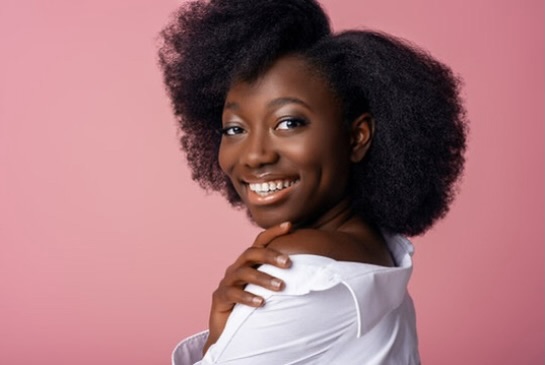
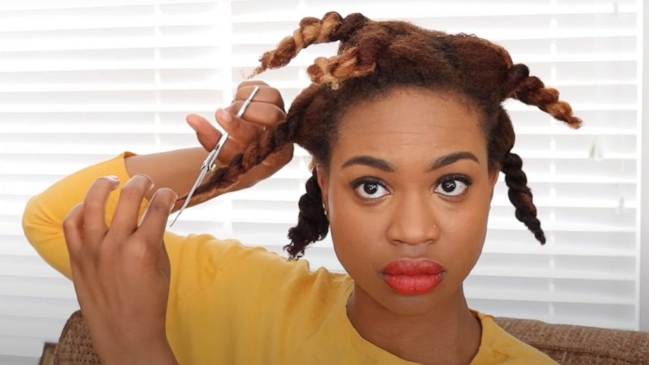
For Black women, whose natural hair textures are often more prone to dryness and breakage, maintaining strand strength is especially important. Because curls and coils naturally bend and twist, the hair shaft can become more fragile over time. This is where collagen supporters argue supplements may help by contributing to overall hair resilience and reducing breakage.
However, collagen is not a magic solution for rapid hair growth. Dermatologists and hair experts often point out that while collagen may support healthier hair conditions, scientific evidence directly linking collagen supplements to dramatic hair growth remains limited. In many cases, improvements may come from addressing nutritional deficiencies rather than the collagen itself.
Consistency also matters. Taking collagen occasionally while neglecting hydration, scalp care, and protective styling habits is unlikely to transform hair health. Strong hair growth still depends on a combination of balanced nutrition, moisture retention, gentle handling, and overall wellness.
Another important factor is the type of collagen being used. Marine collagen and bovine collagen are among the most common forms found in supplements, but some consumers may prefer plant-based alternatives that support the body’s natural collagen production through vitamins and antioxidants instead.
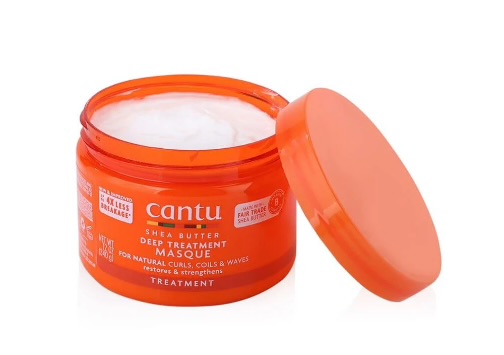
For women with natural or chemically treated hair, collagen may work best as part of a broader hair-care routine rather than a standalone fix. Pairing supplements with protein treatments, deep conditioning, and scalp-focused care may provide more noticeable results over time.
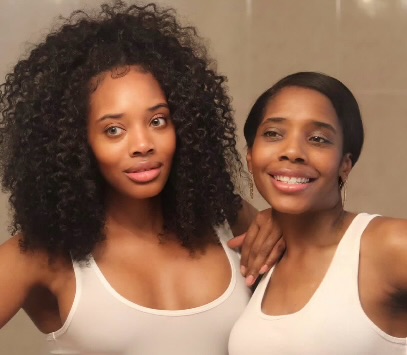
Ultimately, collagen is neither a complete scam nor a miracle cure. For some Black women, it may contribute to stronger-looking strands and healthier hair habits overall. But realistic expectations remain key. Healthy hair growth is usually less about one trendy supplement and more about consistent, long-term care that supports the hair from the inside out.