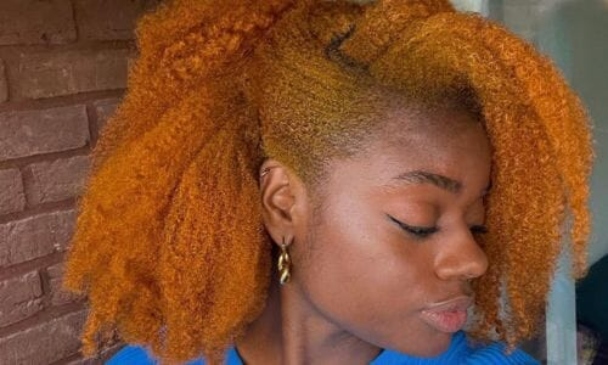
Hair color can be transformative, whether it’s a bold new shade or subtle highlights, dyeing offers a way to express personal style.
But beneath the surface, frequent coloring can take a toll on your strands and scalp, sometimes accelerating hair loss in ways that aren’t immediately obvious.
Most permanent and some semi-permanent dyes rely on chemicals like ammonia and peroxide to open the hair cuticle and deposit color. While effective, this process weakens the hair shaft over time. Repeated exposure strips away natural oils and proteins, leaving strands more porous, dry, and prone to breakage. What many people interpret as “hair loss” is often actually breakage, hair snapping off mid-length or at the ends due to structural damage.
However, the impact isn’t limited to the strands alone. Frequent dyeing can also irritate the scalp, especially for those with sensitive skin. Inflammation or dryness can disrupt the natural hair growth cycle, potentially contributing to increased shedding. In some cases, allergic reactions to dye ingredients may worsen the issue, making the scalp environment less supportive for healthy growth.
Another factor to consider is cumulative stress. Coloring your hair once in a while may not cause noticeable damage, but frequent touch-ups, especially when lightening or bleaching, is where problems tend to arise. Overprocessing weakens the internal structure of the hair, reducing its elasticity. Without that flexibility, strands are more likely to snap during everyday styling, from brushing to tying hair back.
This doesn’t mean you have to give up hair color entirely. The key is moderation and proper care. Spacing out dye sessions allows the hair time to recover, while opting for gentler formulas, like ammonia-free or conditioning dyes, can reduce overall damage. Deep conditioning treatments and protein masks help restore moisture and strength, supporting the hair between color appointments.
Protective styling can also make a difference. Minimizing daily manipulation reduces stress on already weakened strands. At the same time, using sulfate-free shampoos and nourishing leave-in conditioners can help maintain the integrity of color-treated hair.
It’s also important to pay attention to your scalp. Keeping it clean and moisturized creates a healthier foundation for growth. If you notice persistent irritation or excessive shedding after dyeing, it may be worth consulting a professional to assess whether your products or frequency need adjusting.
Ultimately, hair dye isn’t the enemy, but overuse without proper care can be. Understanding how coloring affects both your strands and scalp allows you to make more informed choices, preserving not just your color, but the overall health and longevity of your hair.