If you’ve ever noticed your scalp feeling constantly damp or unusually moist, you’re not alone. A “wet” scalp can be confusing, especially when it happens outside of workouts or hot weather.
While it may seem harmless, persistent scalp moisture can signal underlying issues that deserve attention. Understanding the cause is the first step toward restoring balance and keeping your hair healthy.
One of the most common reasons for a wet scalp is simple sweat. The scalp contains numerous sweat glands, and factors like heat, exercise, or even stress can trigger excess perspiration. However, when sweating becomes frequent or excessive, it may point to a condition known as hyperhidrosis, where the body produces more sweat than necessary. In this case, the scalp may feel damp even in cool environments.
Another possible cause is product buildup. Heavy oils, creams, and styling products can accumulate on the scalp, trapping moisture and creating a sticky or wet sensation. When the scalp isn’t properly cleansed, this buildup can mix with sweat or natural oils, leading to discomfort and even odor over time. Clarifying shampoos or gentle exfoliating treatments can help remove residue and restore a clean foundation.
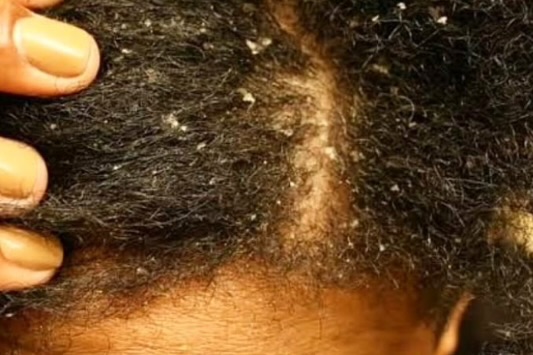
A wet scalp can also be linked to fungal or yeast-related conditions such as seborrheic dermatitis. This condition often presents with flaking, itching, and an oily or moist scalp. The excess moisture creates an environment where yeast can thrive, worsening irritation if left untreated. In such cases, medicated shampoos or targeted treatments may be necessary to rebalance the scalp.
It’s also important to consider your hair care routine. Overwashing or using harsh products can strip the scalp of its natural oils, causing it to overcompensate by producing more sebum. This excess oil can combine with sweat, making the scalp feel persistently wet. Finding a balanced routine, one that cleanses without over-drying, is key.
To manage a wet scalp effectively, start by identifying the root cause. Keep your scalp clean with regular washing, especially after sweating, and avoid layering too many heavy products. Opt for lightweight, breathable styles that allow air circulation, particularly in warmer climates. If the issue persists or is accompanied by irritation, consulting a dermatologist can provide clarity and targeted solutions.
Ultimately, a healthy scalp should feel balanced, not overly dry or excessively moist. By paying attention to what your scalp is telling you, you can adjust your routine and create an environment where your hair can truly thrive.