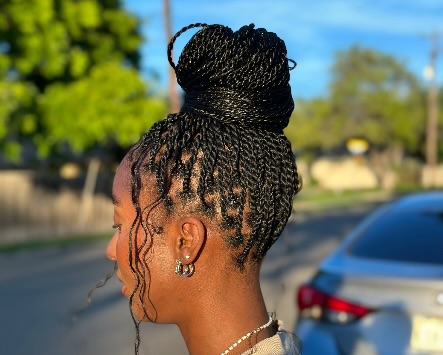
Braids have long been considered one of the most popular protective styles for Black women. From knotless braids and cornrows to twists and feed-in styles, they offer convenience, versatility, and a break from daily manipulation. However, what happens when a style designed to protect your hair begins to do the opposite?
If you’ve noticed excessive shedding, thinning edges, or strands breaking off after removing your braids, your protective style may not be as protective as you think.
One of the most common causes of braid-related breakage is excessive tension. Braids that are installed too tightly place stress on the hair follicles and scalp, particularly around the hairline. Over time, this can lead to traction alopecia, a condition caused by repeated pulling on the hair. The warning signs often include soreness, bumps along the scalp, headaches, and thinning edges.
Another factor is neglecting proper hair care while wearing braids. Some people assume that because their hair is tucked away, it no longer requires moisture. In reality, natural hair still needs hydration while in a protective style. Dry, brittle hair is more prone to snapping and breakage, making regular moisturizing essential.
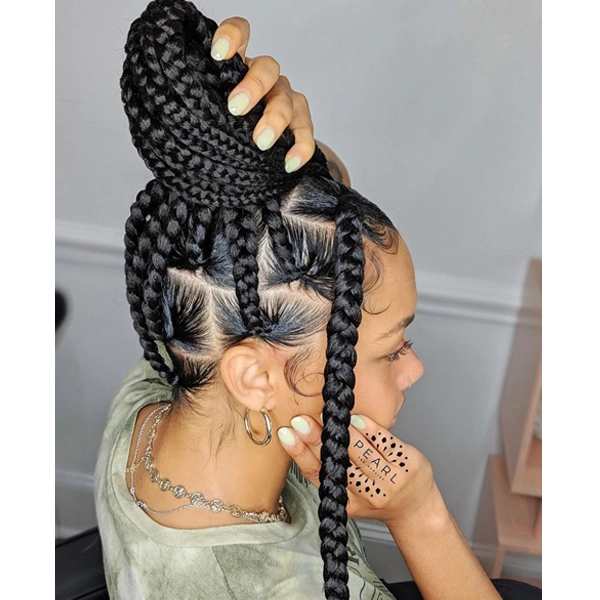
Keeping braids in for too long can also cause problems. As hair grows, the new growth and accumulated product buildup can create tangles and knots. When it is finally time to take the braids down, detangling becomes more difficult, often leading to unnecessary hair loss.
To make braids truly protective, prioritize healthy installation and maintenance. Choose a stylist who understands proper tension, avoid excessively heavy styles, moisturize your hair regularly, cleanse your scalp when necessary, and give your hair breaks between installations. Listening to your scalp is equally important. If a style feels painful from day one, it is likely too tight.
Protective styles can be excellent tools for length retention and hair health when done correctly. The key is remembering that the style itself is not automatically protective. How it is installed, maintained, and removed ultimately determines whether your braids help your hair thrive or contribute to breakage.
Packing my new braids #myhairportal #braids #hairstyle #haircare #howto #shorts #africa #hair