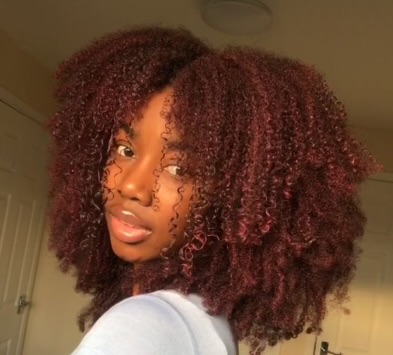
Color melting is quickly becoming the go-to hair trend for women who want rich dimension without constant salon upkeep, and Black women with natural hair are especially embracing it.
Unlike traditional highlights or stark ombré techniques, color melting focuses on blending multiple shades so seamlessly that the transition between colors is nearly invisible.
The result is soft, fluid color that grows out beautifully and looks intentionally luxe at every stage.
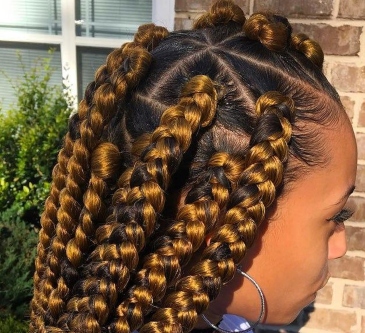
At its core, color melting involves hand-blending two or more complementary shades from root to tip. Instead of harsh lines, the colors are “melted” together using specialized brushes and feathering techniques. This creates depth and movement while maintaining a natural appearance. For Black women, this approach works particularly well because it enhances natural texture rather than overpowering it.
One of the biggest benefits of color melting on natural hair is its low-maintenance appeal. Because there are no obvious demarcation lines, regrowth is far less noticeable. This means fewer touch-ups and less chemical stress on the hair, an important consideration for women prioritizing length retention and scalp health. When done correctly, color melting allows curls, coils, and kinks to reflect light in a way that feels soft and dimensional, not stripy or flat.
That said, there are key things Black women should know before committing to the trend. Hair health comes first. Many color-melted looks require some level of lightening, especially when transitioning from darker natural shades to caramel, honey, or auburn tones. Working with a colorist experienced in textured hair is essential to prevent dryness, breakage, or uneven results. Bond-building treatments and deep conditioning should be non-negotiable parts of the process.
Texture also plays a role in how color melting shows up. On coily and curly hair, the blend can appear more subtle than on straight styles, which is actually part of its appeal. The color reveals itself through movement, twists, wash-and-gos, braid-outs, making the finish feel dynamic and elevated rather than loud.
Maintenance after coloring is equally important. Sulfate-free shampoos, moisturizing masks, and color-safe products help preserve vibrancy while keeping hair hydrated. Protective styling and regular trims also support long-term results.
Ultimately, color melting offers Black women a sophisticated way to experiment with color while honoring their natural texture. It’s effortless, refined, and undeniably expensive-looking, proof that low maintenance and high impact can absolutely coexist.