Noticing gray strands earlier than expected can feel surprising, sometimes even frustrating. But premature graying is more common than many people think, and it doesn’t always signal something is wrong.
Understanding why your hair is changing color can help you respond with care instead of concern.
Hair gets its color from melanin, a pigment produced by cells in the hair follicle. As we age, these cells gradually slow down or stop producing melanin, leading to gray or white strands. However, when this process starts earlier, sometimes in your 20s or even teens, it’s considered premature graying, and several factors can be at play.
Genetics is the biggest influence. If your parents or grandparents experienced early graying, chances are you might too. Unfortunately, this is one factor you can’t change, but knowing your hair history can help set realistic expectations.
Stress is another commonly discussed cause. While stress doesn’t directly “turn” hair gray overnight, chronic stress can impact the health of your hair follicles and may accelerate the loss of pigment over time. Managing stress through rest, mindfulness, and balanced living can support overall hair health.
Nutritional deficiencies also play a key role. Low levels of vitamins like B12, iron, and copper have been linked to premature graying. These nutrients support healthy hair growth and pigment production, so maintaining a balanced diet, or consulting a professional about supplements, can make a difference.
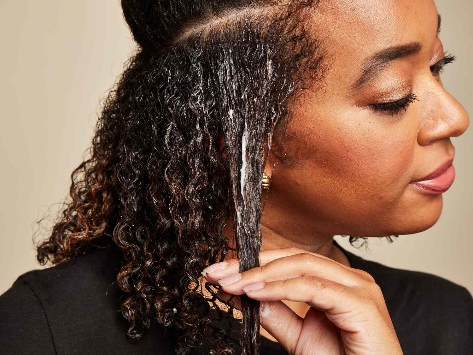
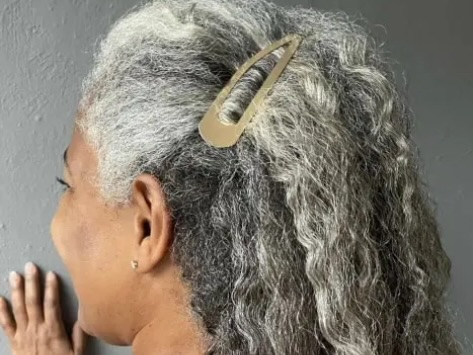
For Black hair, early grays can sometimes feel more noticeable due to the contrast in darker strands. Texture changes may also occur, with gray hairs often appearing coarser or drier. This means your usual routine might need a slight adjustment. Incorporating more moisture-rich products and gentle handling can help keep both pigmented and gray strands healthy.
When it comes to managing gray hair, you have options. Some people embrace it, allowing their natural silver strands to shine. Others prefer to cover grays with color treatments, whether through dyes, rinses, or natural alternatives like henna. There’s no right or wrong choice, just what makes you feel most confident.
Ultimately, early graying is a natural part of your hair’s journey, even if it arrives sooner than expected. By understanding the causes and adjusting your care routine, you can keep your hair looking and feeling its best, no matter the color.