Hair loss can feel frustrating, confusing, and at times, unpredictable. While factors like stress, genetics, and hormonal changes are often blamed, one overlooked cause is vitamin deficiency.
Understanding how nutrient imbalances affect your hair may be the key to restoring strength, shine, and growth.
Hair is one of the fastest-growing tissues in the body, which means it requires a steady supply of nutrients to thrive. When the body lacks essential vitamins, it prioritizes vital organs over hair production. The result? Increased shedding, thinning strands, and slower growth cycles.
One of the most common culprits is iron deficiency, which is closely linked to Anemia. Iron helps red blood cells carry oxygen to hair follicles, supporting healthy growth. Without enough of it, follicles can weaken, leading to excessive shedding. This is particularly common among women, especially during menstruation or pregnancy.
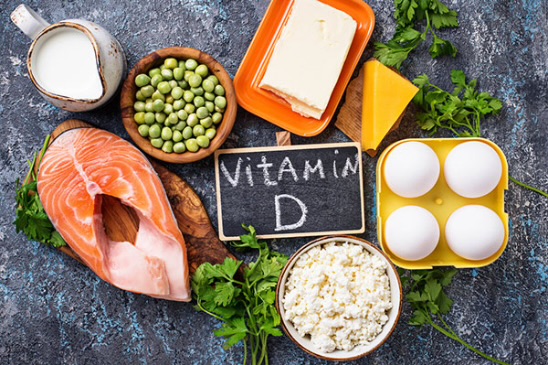
Another key player is vitamin D. Often referred to as the “sunshine vitamin,” it plays a role in stimulating hair follicles and supporting new growth. Low levels have been associated with conditions like Alopecia, where the immune system mistakenly attacks hair follicles, causing patchy hair loss.
Biotin, a B-vitamin frequently linked to hair health, also deserves attention. While severe deficiencies are rare, low levels can lead to brittle hair and breakage. However, it’s important to note that more isn’t always better, over-supplementing without a confirmed deficiency may not produce noticeable results.
Zinc and vitamin C also contribute to maintaining healthy hair. Zinc supports tissue repair and helps keep oil glands around follicles functioning properly, while vitamin C aids collagen production and improves iron absorption. A deficiency in either can disrupt the hair growth cycle.
The challenge is that vitamin-related hair loss often develops gradually, making it easy to miss. Signs such as increased shedding, dullness, or thinning edges may appear subtle at first but can worsen over time if the underlying issue isn’t addressed.
The best approach is to focus on a balanced diet rich in leafy greens, lean proteins, fruits, and whole grains. In some cases, a healthcare professional may recommend blood tests to identify specific deficiencies and guide supplementation.
Ultimately, healthy hair starts from within. By addressing nutritional gaps, you’re not just treating the symptoms, you’re tackling one of the root causes of hair loss and setting the foundation for stronger, more resilient strands.