When hair looks dull, styles fall flat, or products seem to stop working, the issue often isn’t your strands, it’s your scalp.
Scalp exfoliation is one of the most overlooked steps in hair care, yet it plays a critical role in hair health, growth, and styling success.
Skipping it could be quietly sabotaging your entire routine.
Over time, the scalp accumulates product buildup, dead skin cells, excess oil, and environmental debris. Shampoos alone don’t always remove this residue, especially for those who rely heavily on gels, oils, and creams. When buildup lingers, it can clog follicles, disrupt the scalp’s natural balance, and make hair appear limp or lifeless no matter how well you style it.
A congested scalp also affects how styles perform. Braids may feel tighter than usual, wash-and-gos lose definition faster, and sleek looks struggle to stay smooth. That’s because healthy hair growth starts at a clean, oxygenated scalp. Exfoliation clears the path, allowing strands to grow stronger and respond better to styling products.
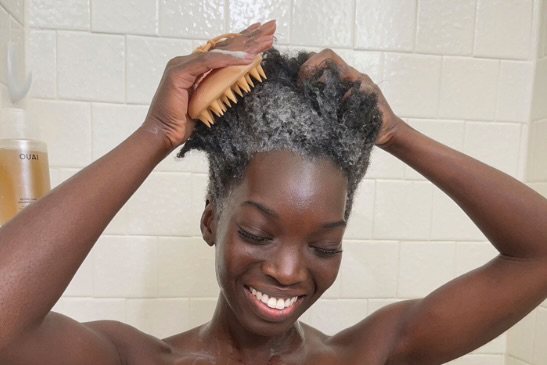
There are two main ways to exfoliate the scalp: physical and chemical. Physical exfoliants use fine granules or textured tools to manually lift debris, while chemical exfoliants rely on gentle acids like salicylic or glycolic acid to dissolve buildup without friction. For textured or sensitive scalps, chemical exfoliants are often preferred, as they minimize irritation while delivering deep cleansing benefits.
Regular exfoliation also improves moisture balance. When buildup blocks the scalp, hydrating treatments and oils can’t penetrate effectively. Removing that barrier allows nourishing ingredients to do their job, reducing dryness, flaking, and itchiness over time. For those dealing with chronic scalp issues, exfoliation can be a game-changer when used correctly and consistently.
The key is moderation. Exfoliating too often can disrupt the scalp barrier, leading to sensitivity. Most experts recommend exfoliating once every one to two weeks, depending on hair type, product usage, and scalp condition. Always follow with a soothing shampoo or scalp treatment to restore balance.
Ultimately, scalp exfoliation isn’t an extra step, it’s a foundational one. When the scalp is clear and healthy, hair grows better, styles last longer, and products perform as intended. If your hair routine feels stalled, the solution may not be another product, but a cleaner starting point at the scalp.