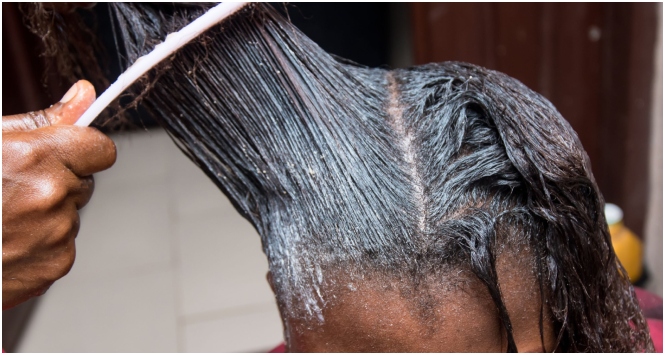
For more than a decade, the natural hair movement has encouraged Black women to embrace their curls, coils, and kinks. Yet despite the popularity of natural hairstyles, relaxers are quietly making a comeback. Across social media, salons, and beauty conversations, more Black women are choosing chemical straightening again, sparking renewed discussions about hair, identity, convenience, and personal choice.
According to master hairstylist Aaron Tracey Whitaker and published hairstylist Jachelle Whiting, the return of relaxers is not necessarily a rejection of natural hair. Instead, many women are making decisions based on lifestyle needs and individual preferences.
One of the biggest factors behind the shift is manageability. Maintaining natural hair can require significant time, effort, and product investment. From wash days that take several hours to regular moisturizing, detangling, and styling, some women find the upkeep difficult to balance with busy schedules. Relaxed hair often offers a simpler routine, allowing for quicker styling and reduced daily maintenance.
Whitaker notes that many clients are seeking versatility and convenience. For professionals, entrepreneurs, and mothers juggling multiple responsibilities, relaxed hair can feel like a practical option that better aligns with their lifestyles. Rather than spending hours on styling, they can achieve sleek looks with less effort.
Whiting also points out that today’s approach to relaxers differs from the practices of previous decades. Many women are no longer aiming for bone-straight hair. Instead, they are opting for textured relaxers or stretching the time between touch-ups to maintain some natural body while reducing shrinkage and tangling. This more customized approach reflects a broader trend toward personalized beauty choices.
Social media has also played a role in changing perceptions. Influencers and hairstylists have begun sharing healthier relaxer routines, demonstrating how chemically treated hair can thrive when properly maintained. These conversations have helped reduce some of the stigma surrounding relaxers while encouraging women to make informed decisions based on their own needs.
Still, experts emphasize that relaxers are not without risks. Proper application, professional guidance, and consistent hair care are essential to minimizing damage and maintaining scalp health. The decision to relax hair should be made carefully and with a full understanding of the commitment involved.
Ultimately, the resurgence of relaxers highlights a larger shift in the beauty landscape: the growing acceptance of choice. Whether women wear their hair natural, relaxed, braided, or heat-styled, the focus is increasingly on personal preference rather than following a single beauty standard. For many Black women, the return to relaxers is simply another expression of that freedom.