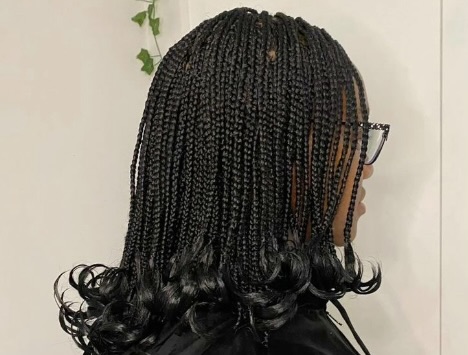
Braids have long been celebrated as one of the most versatile and protective hairstyles, particularly within Black hair culture. From knotless braids and box braids to cornrows and twists, these styles offer convenience, beauty, and a break from daily manipulation. Yet as popular as braids are, many people still wonder whether they help or harm hair health. The answer may surprise you: braids themselves are rarely the problem, how they’re installed and maintained often makes all the difference.
When done correctly, braids can protect hair from environmental stressors, reduce tangling, and minimize breakage caused by frequent styling. They also provide an opportunity to retain length by limiting daily handling. This is why protective styles have remained a go-to option for generations.
Problems tend to arise when braids are installed too tightly. Excessive tension around the hairline and scalp can place strain on the follicles, leading to irritation, headaches, and, in some cases, traction alopecia, a form of hair loss caused by repeated pulling. If your scalp feels painfully tight or develops bumps shortly after installation, it’s often a sign that the braids are putting too much stress on your hair.
The weight of the braids also matters. Extra-long styles or braids packed with large amounts of extension hair can become heavy, creating additional tension on the roots. While dramatic lengths may be trending, they aren’t always the healthiest choice for every hair type.
Another common mistake is leaving braids in for too long. Protective styles are not meant to last indefinitely. Over time, product buildup, shed hairs, and scalp debris can accumulate, increasing the likelihood of tangling and breakage during removal. Most stylists recommend giving hair a break between installations and avoiding back-to-back braid appointments for extended periods.
Proper maintenance is equally important. Keeping the scalp clean, moisturizing exposed hair, and protecting braids with a satin scarf or bonnet at night can help preserve both the style and the health of your natural hair underneath.
It’s also essential to pay attention to what your hair is telling you. Excessive shedding, thinning edges, persistent soreness, or visible breakage may indicate that your current braiding habits need adjusting.
Braids remain one of the most effective protective styling options available. However, healthy hair results depend less on the style itself and more on factors like tension, weight, maintenance, and wear time. When approached thoughtfully, braids can help support stronger, healthier hair while still delivering the beauty and versatility they’re known for.