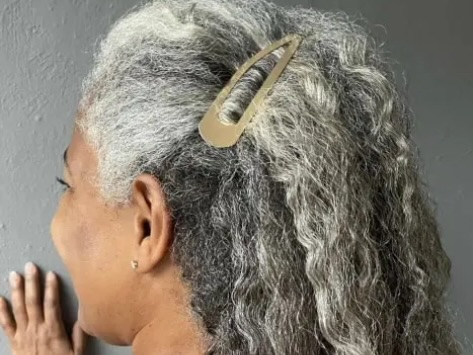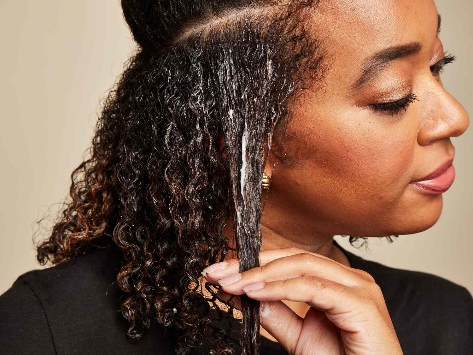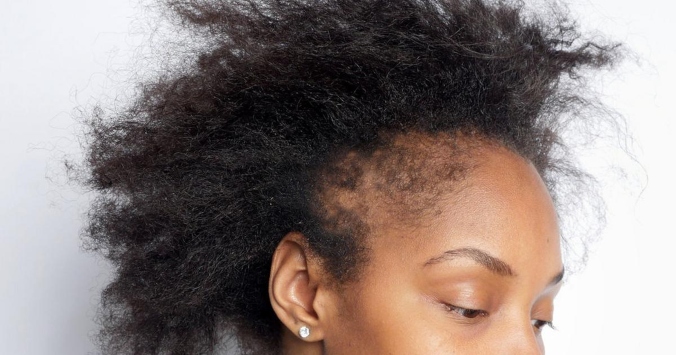
Thinning edges can feel frustrating, especially when you’ve spent years perfecting sleek buns, laid baby hairs, and protective styles.
For many women, particularly Black women who may experience traction alopecia from tight braids or wigs, hairline thinning is common. One growing solution? Microblading your hairline.
Originally popularized for eyebrows, microblading is a semi-permanent cosmetic tattoo technique that uses fine, hair-like strokes to mimic natural strands. When applied along the hairline, the goal isn’t to regrow hair but to create the illusion of fuller edges. Some technicians may also recommend Scalp micropigmentation, a related technique that deposits pigment into the scalp to replicate the look of hair follicles.
What results can you expect?
Hairline microblading can create a sharper, denser-looking edge, especially in areas where hair is sparse but not completely gone. Results typically last 12 to 24 months, depending on skin type, lifestyle, and aftercare. Oily skin may cause pigment to fade faster, while sun exposure can lighten the strokes over time.
Immediately after the procedure, the pigment may appear darker than expected. This softens within 7–14 days as the skin heals. A touch-up session is usually required 6–8 weeks later to perfect the shape and density.
It’s important to have realistic expectations: this is a cosmetic camouflage solution. It won’t stimulate growth or treat underlying hair loss conditions.
The risks to consider
Like any cosmetic tattoo, there are risks. Improper technique can lead to unnatural-looking strokes, pigment discoloration (think bluish or gray tones), or scarring. If you have active inflammation, eczema, or severe traction alopecia in the area, you may not be an ideal candidate.
There’s also the long-term consideration. Trends change, and a permanently reshaped hairline may not age well with shifting beauty preferences, or natural hair changes.
Before you book
Research is everything. Choose a licensed technician experienced with diverse skin tones and textured hairlines. Ask to see healed results, not just fresh work. Schedule a consultation to discuss pigment matching and hairline design that complements your natural growth pattern.
And if your thinning edges are recent or progressive, consider seeing a dermatologist first to rule out medical causes. Sometimes, the best fix starts beneath the surface.
Microblading can be a confidence boost, but informed decisions always look best.