Many people use the terms “hydration” and “moisture” interchangeably when discussing natural hair, but they are not the same thing. Understanding the difference can make a significant impact on the health, softness, and manageability of textured hair. If your curls still feel brittle despite using moisturizing products, your hair may actually be dehydrated rather than simply dry.
Hydration refers to the water content within the hair strand. Just like the body needs water to function properly, hair requires adequate hydration to remain flexible, elastic, and healthy. When hair is dehydrated, it lacks water, which can lead to dullness, roughness, tangling, and increased breakage. Dehydrated hair often feels stiff and may struggle to retain styles or maintain its natural curl pattern.
Moisture, on the other hand, refers to the oils, emollients, and conditioning ingredients that help soften the hair and seal in hydration. Moisturizers create a protective barrier that helps prevent water from escaping too quickly. In other words, hydration puts water into the hair, while moisturizers help keep that water there.
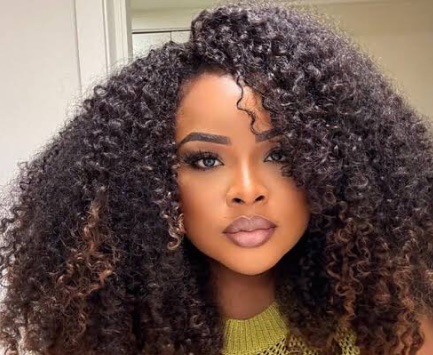
This distinction is especially important for natural hair. Curly and coily textures naturally have a more difficult time distributing scalp oils from root to tip because of the twists and bends in the hair shaft. As a result, textured hair is often more prone to dryness and moisture loss.
One common mistake is relying solely on heavy creams and butters without first addressing hydration. While these products can make hair feel smoother temporarily, they cannot replace the water the hair needs. Applying thick moisturizers to dehydrated hair is similar to sealing an empty container, it locks in very little benefit.
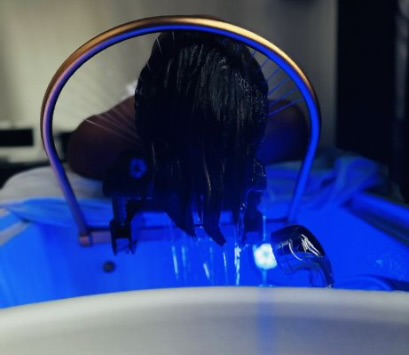
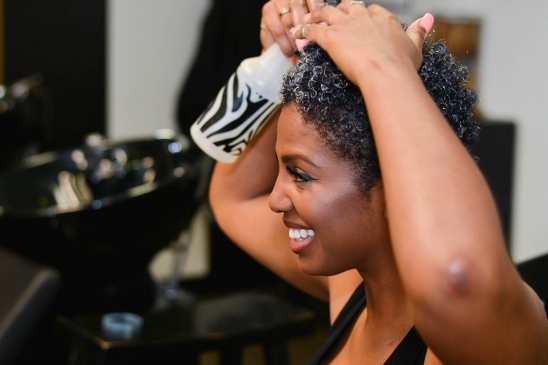
To improve hydration, focus on incorporating water-based products into your routine. Hydrating leave-in conditioners, water-rich sprays, and regular conditioning treatments can help replenish moisture levels within the hair strand. Following up with a moisturizer or lightweight oil can then help seal in that hydration and reduce moisture loss.
Environmental factors also play a role. Excessive heat styling, harsh weather, sun exposure, and certain cleansing products can strip hair of both hydration and moisture. Maintaining a balanced routine that includes gentle cleansing, deep conditioning, and proper sealing techniques can help combat these challenges.
The healthiest natural hair routines recognize that hydration and moisture work together. Water provides the foundation, while moisturizers help preserve it. By learning to identify whether your hair is dry, dehydrated, or both, you can choose products and techniques that support stronger, softer, and more resilient curls.