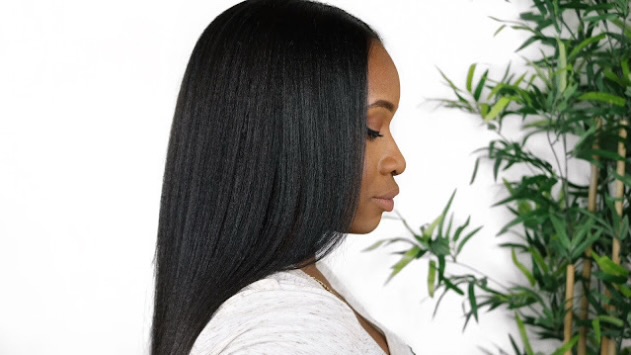
For many people with natural hair, the ability to switch between defined curls and sleek, straight styles is one of the joys of having versatile textured hair. In recent years, “straight natural” looks have gained popularity, with many individuals regularly silk-pressing or blow-drying their hair while still maintaining their natural curl pattern. But as the trend grows, so do questions about the long-term effects of heat styling.
One of the most common misconceptions is that heat-trained hair and heat-damaged hair are the same thing. While the terms are often used interchangeably, hair professionals generally view them as different conditions.
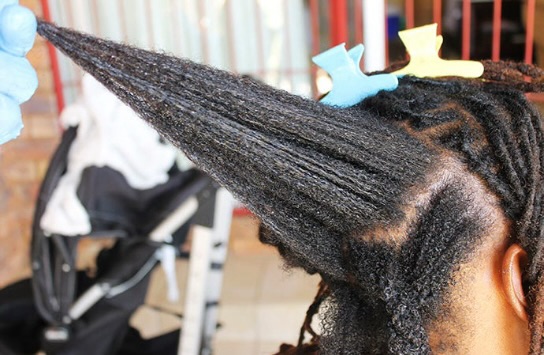
Heat-trained hair refers to curls that have become slightly looser after repeated heat styling but still retain the ability to revert to their original pattern when properly washed and conditioned. Some people intentionally heat-train their hair to make stretching and styling easier. In these cases, the hair may appear less tightly coiled, but it remains healthy enough to recover.
Heat damage, on the other hand, occurs when excessive or repeated heat permanently alters the hair’s protein structure. Once the curl pattern has been significantly damaged, strands may remain limp, straight, or uneven even after washing. Unlike heat-trained hair, truly heat-damaged hair cannot be restored to its original texture without growing it out and trimming the affected sections.
Experts emphasize that the risk of damage often depends on how heat is used. High temperatures, frequent styling sessions, and the absence of heat protectants can significantly increase the likelihood of long-term harm. Fine, color-treated, or chemically processed hair may be especially vulnerable.
For those who enjoy wearing their natural hair straight occasionally, moderation is key. Using quality heat-protectant products, limiting direct heat exposure, and keeping styling tools at the lowest effective temperature can help preserve curl integrity. Deep-conditioning treatments and regular moisturizing routines can also support hair health between styling sessions.
The decision to move between curly and straight styles ultimately comes down to personal preference. Many people successfully enjoy both looks without compromising the health of their hair. However, maintaining that flexibility requires careful attention to heat practices and overall hair care.
The good news is that natural hair does not have to be confined to one style. With the right precautions, it is possible to enjoy sleek silk presses and vibrant curls alike. Understanding the difference between heat training and heat damage is the first step toward making informed styling choices and protecting your hair’s long-term health.